

08 Dec
Tunas Industrial Participated at Southeast Asia & North Africa Overseas Summit 2025
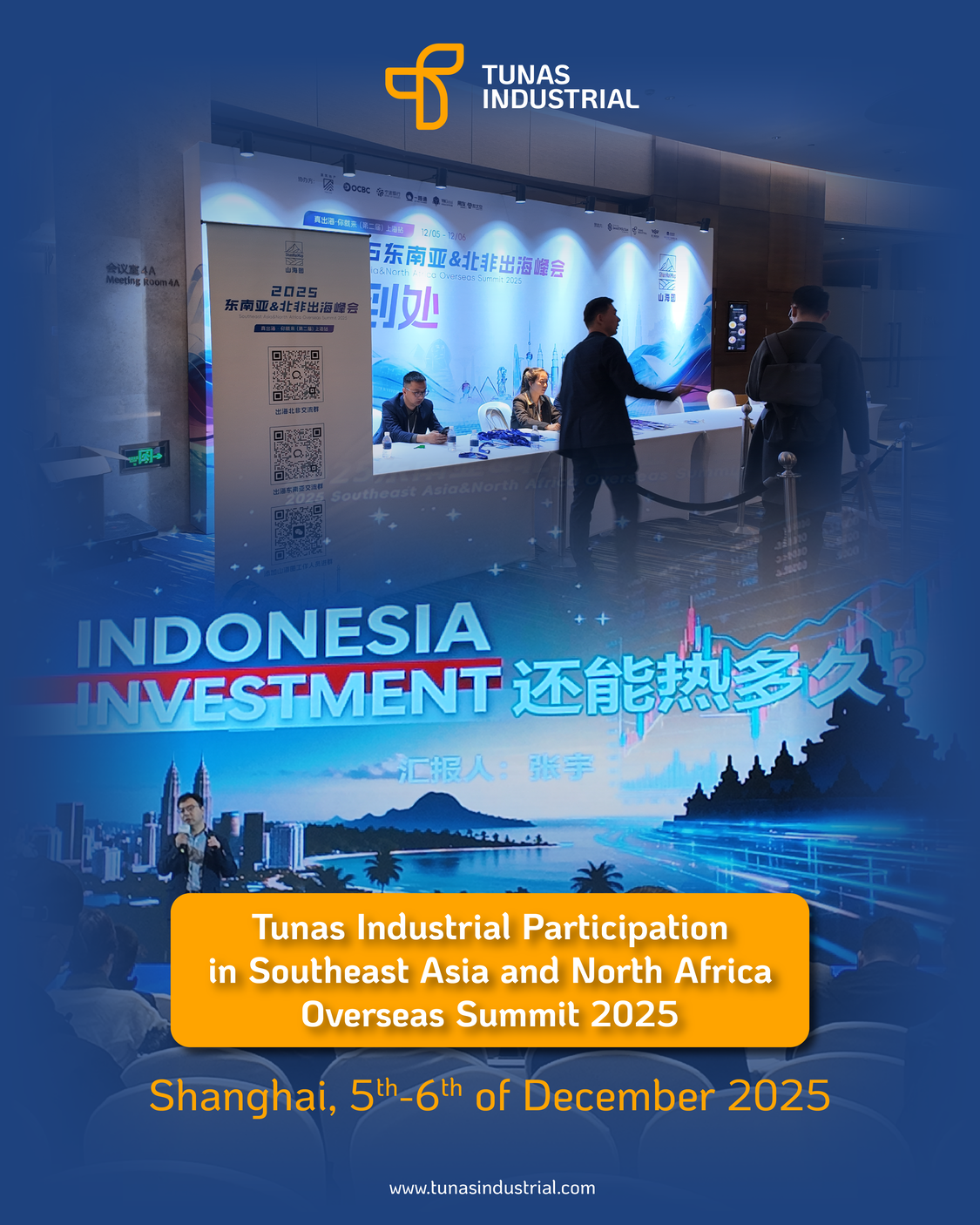
Shanghai, China — December 6, 2025. Tunas Industrial proudly participated in the Southeast Asia & North Africa Overseas Summit 2025, held on December 5–6 at Primus Hotel Shanghai Hongqiao. Hosted by Shan Hai Map, the event drew over 4,500 enterprises exploring expansion into fast-growing global manufacturing destinations.
The summit highlighted major structural shifts in global supply chains, positioning Southeast Asia and North Africa as rising hubs for advanced manufacturing. Indonesia stood out for its economic stability, competitive talent pool, expanding industrial ecosystem, and rapidly improving infrastructure.
A Strong Momentum for Indonesia in Global Supply Chain Shift
Across the sessions, experts emphasized fast-growing sectors—including green energy and battery systems, EV components, medical devices, data centers, smart electronics, and chemical processing—all of which strongly align with China’s industrial strengths and present substantial collaboration potential.
A comprehensive site selection analysis further reinforced Indonesia’s appeal. Evaluating logistics access, workforce readiness, fiscal incentives, and regulatory clarity, Indonesia—particularly Batam—emerged as a top choice for companies seeking efficient, scalable, and strategically located operations. Its proximity to Singapore and strong government support make it an ideal base for Chinese enterprises expanding into the Southeast Asia market.
The discussions also underscored Indonesia’s rapid move toward higher-value manufacturing. Rising demand across EV ecosystems, renewable energy, electronics, medical devices, and digital infrastructure continues to attract Chinese participation, supported by clearer regulations and expanding industrial connectivity.
Regulatory updates, PPP-driven infrastructure opportunities, and Indonesia’s long-term new-energy roadmap further strengthened confidence in the country’s investment outlook. Combined with the momentum of its digital and retail economy, Indonesia is increasingly recognized as one of Asia’s most dynamic and future-ready growth markets.
Tunas Prima — A Strategic Gateway for Chinese Enterprises
Throughout the summit, Tunas Industrial hosted an exhibition booth providing direct insights into Batam’s market potential and Indonesia expansion opportunities. The team showcased Tunas Prima Industrial Estate, emphasizing its integrated green industry ecosystem, scalable facilities, and modern infrastructure designed to support seamless foreign investment.
Visitors gained a clearer understanding of Batam’s unique position within the Singapore–Malaysia–Batam Golden Triangle, offering unmatched connectivity for regional manufacturing and distribution. With government-backed incentives and robust utilities, Tunas Prima stands as a catalyst for advanced manufacturing and a reliable partner for Chinese companies entering Southeast Asia.
02 Dec
Indonesia Business Outlook 2026: Green Industrial Power
From Resource Strength to Green Industrial Power
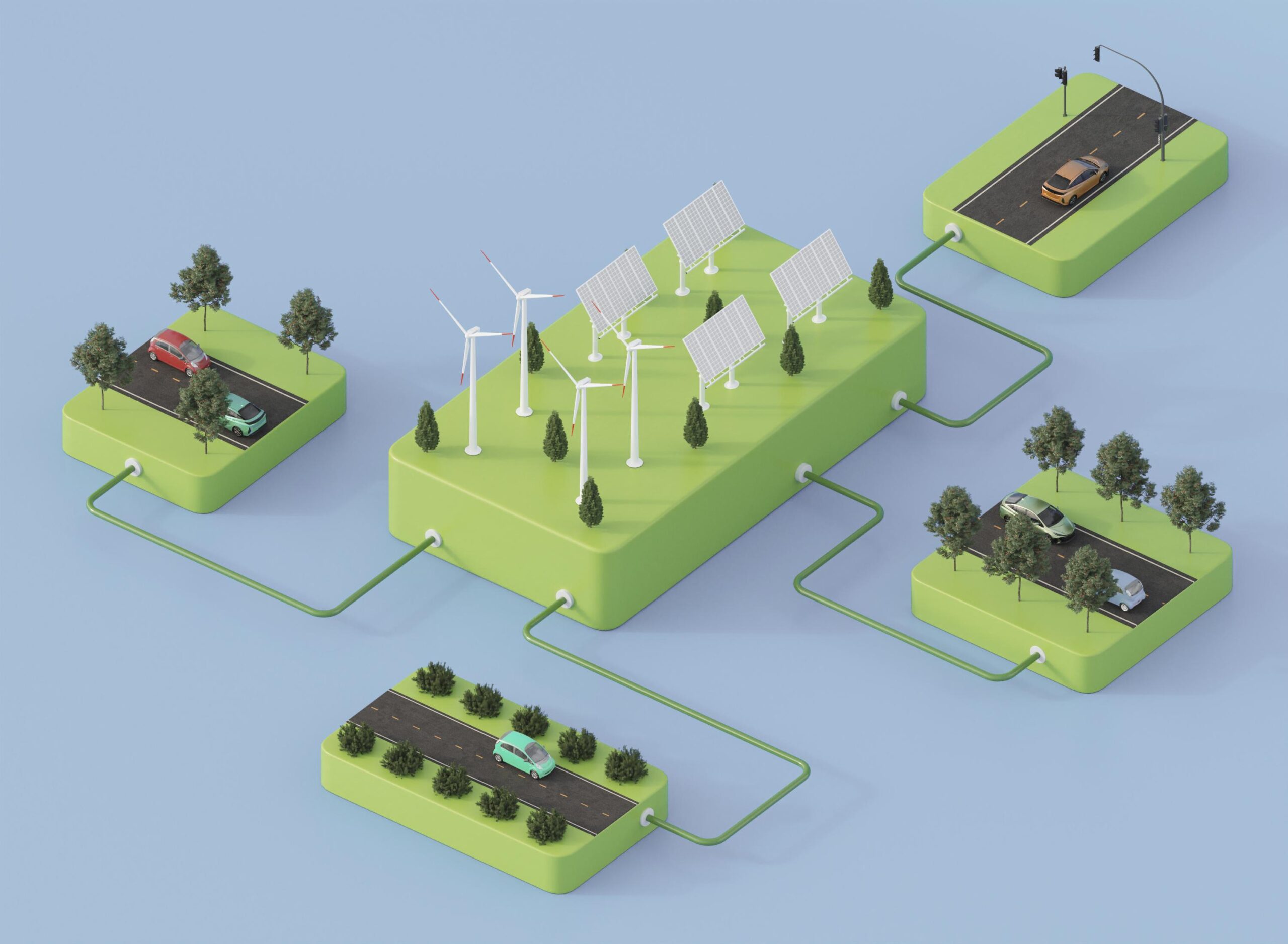
Entering 2026, Indonesia stands at a pivotal juncture — where the progress of 2025’s reforms begins to translate into real industrial transformation. With stronger policy execution, infrastructure expansion, and a surge in green investment, the nation is evolving from a resource exporter into a strategic hub for sustainable manufacturing and clean energy in Asia.
Strategic Resource Advantage
Indonesia remains one of the world’s richest resource bases, supplying critical minerals for the clean energy transition. Nickel, bauxite, and tin support the EV and semiconductor industries, while palm oil continues to drive the global biofuel and food sectors. This natural endowment anchors Indonesia’s ambition to move beyond raw exports into advanced, value-added production.
Downstream Policy & Industrial Transformation
The government’s downstream policy (hilirisasi) is central to that vision — pushing industries to process raw materials domestically, boosting job creation, and strengthening export value. This strategy aligns with the Omnibus Law and OSS RBA framework, which simplify licensing and promote investment in integrated manufacturing zones, especially for EV batteries, solar components, and industrial chemicals.
Import Policy & Industrial Facilitation
Indonesia also streamlines import procedures for raw materials and machinery essential to priority sectors. By easing tariffs and documentation, the government encourages technology transfer and accelerates the modernization of industrial capacity — ensuring local industries remain competitive and globally connected.
Expanding Growth in Logistics, Electronics & Maritime
Rising e-commerce, regional manufacturing integration, and digitalization are driving demand for efficient logistics. Indonesia’s maritime strength — with over 17,000 islands — underpins a logistics boom led by new ports, bonded zones, and smart warehouses. The electronics sector, fueled by demand from ASEAN and East Asia, continues to attract foreign manufacturers seeking cost efficiency and proximity to major shipping routes.
Batam: The Trade & Innovation Gateway
Strategically located just 20 km from Singapore, Batam is evolving into a cross-border innovation hub connecting Indonesia’s industrial capacity with East Asia’s supply chain networks. Industrial estates like Tunas Prima Industrial Estate (TPIE) are redefining sustainable development through integrated utilities, green certification, and investor-ready infrastructure — making Batam a preferred base for export-oriented manufacturing and logistics.
Energy Transition & Emerging Trends 2025–2026
Over the next two years, energy will remain the most dynamic sector shaping Indonesia’s industrial future.
- Renewable Dominance – Solar and wind energy become cost-competitive, accelerating the shift from fossil dependence.
- Advanced Storage – Battery innovations and hydrogen solutions ensure energy stability and grid resilience.
- Electrified Transport – One in four new vehicles is electric, supported by growing EV infrastructure.
- Industrial Efficiency – Smart energy management cuts costs and emissions in heavy industries.
- Green Hydrogen & CCS – Emerging technologies define new investment frontiers.
- Digital & AI Integration – Data-driven grids optimize distribution and forecasting.
- Microgrids & Rooftop Solar – Localized generation enhances energy security.
- Smart Infrastructure – Grid modernization and metering support the clean transition.
- Sustainable Financing – Green bonds and tax incentives fuel ESG-aligned growth.
Outlook: The Next Chapter of Sustainable Growth
As Indonesia moves into 2026, its momentum toward industrial transformation and green transition continues to accelerate. With a strong legal framework, resource-driven policies, and deepening regional partnerships, the nation is reshaping its role in Asia’s sustainable economy.
For global investors, Indonesia is more than a growth market — it is a strategic gateway to the future of sustainable manufacturing and energy. Nowhere is this vision clearer than in Batam, a rising industrial and logistics hub at the crossroads of ASEAN and global trade routes. With its proximity to Singapore and well-developed infrastructure, Batam offers an ideal base for regional operations.
Within this ecosystem, Tunas Prima Industrial Estate (TPIE) stands out as a next-generation industrial platform — integrating green-certified infrastructure, streamlined logistics access, and investor-ready facilities aligned with ESG principles. From short-term incentives and import facilities to long-term participation in renewable and high-tech value chains, TPIE enables investors to turn opportunity into action — and growth into sustainability.
02 Dec
Indonesia’s New Regulations for Green Investment
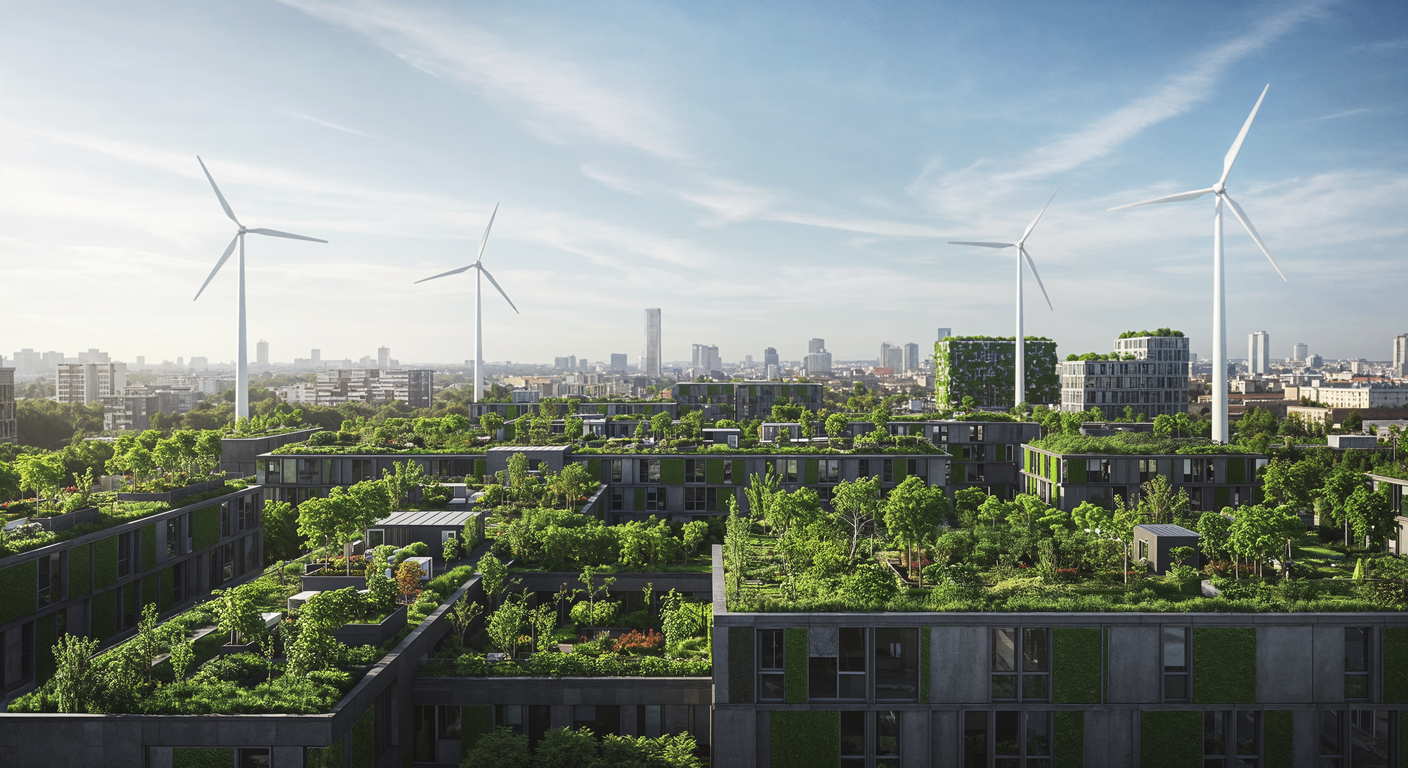
Following its transition toward a green economy, Indonesia is reinforcing its legal and regulatory foundation to create a more competitive and sustainable investment climate. Through strategic reforms — from streamlined licensing to fiscal incentives and legal certainty — Indonesia is positioning itself as a leading destination for manufacturing, energy, and technology investments.
1. Omnibus Law & Digital Licensing via OSS RBA
Under the Job Creation Law (Omnibus Law) and the Online Single Submission – Risk-Based Approach (OSS RBA) system, Indonesia has established a fast, transparent, and fully digital licensing framework.
Investors can now obtain their Business Identification Number (NIB) and operational permits within days, based on risk assessment levels. This reform shortens bureaucratic processes and provides greater certainty for foreign companies looking to start operations in Indonesia.
2. Fiscal Incentives: Tax Holiday & Tax Allowance
For priority sectors such as renewable energy, electric vehicles, semiconductors, and pharmaceuticals, the government offers tax holidays of up to 20 years and tax allowances allowing up to 60% deduction of taxable income. These incentives aim to attract global manufacturers seeking to use Indonesia as their production and export hub in Southeast Asia.
3. Legal Certainty on Foreign Industrial Land Ownership
Legal assurance remains a cornerstone for foreign investors. Under Law No. 25 of 2007 on Investment, foreign investors are entitled to equal treatment with domestic investors, including protection of property and business rights. Although foreign entities cannot directly own freehold land, they can legally hold industrial property through a Foreign Investment Company (PT PMA), a legal entity that allows:
- Right to Build (HGB) or Right to Use (Hak Pakai) for industrial and commercial purposes
- Tenure of up to 80 years, including extensions
- Full legal protection under Articles 6 and 7 of Law No. 25/2007
4. Incentives for Green & High-Tech Industries
Aligned with Indonesia’s Net Zero Emission 2060 roadmap, the government prioritizes investments in green and high-tech sectors. Through policies such as the Green Investment Facility and ESG-based financing support, investors in solar panels, lithium batteries, hydrogen hubs, and sustainable digital industries enjoy enhanced access to funding and fiscal incentives.
Industrial zones such as Tunas Prima Industrial Estate (TPIE) in Batam have integrated sustainable infrastructure — from centralized waste management systems to Green Mark Infrastructure certification — making TPIE a leading destination for high-tech and eco-industrial expansion.
5. Indonesia–China Bilateral Collaboration: Manufacturing & Logistics
Economic cooperation between Indonesia and China continues to deepen, particularly in manufacturing, energy, and logistics infrastructure. Through the Belt and Road Initiative (BRI) and joint venture projects, Chinese investors are expanding their presence in Batam, Medan, Jakarta, Surabaya, Morowali, and Kendal as strategic production bases in Southeast Asia.
Located only 20 km from Singapore and along major international shipping routes, Batam holds a vital position within the regional maritime economic corridor. Tunas Prima Industrial Estate serves as a strategic bridge connecting China’s technological strength with Indonesia’s market potential and natural resources.
Toward A More Transparent and Sustainable Investment Ecosystem
Through regulatory reforms, fiscal incentives, and strengthened infrastructure, Indonesia is entering a new era of pro-business, sustainability-driven investment. The synergy between legal stability, streamlined licensing, and green energy commitment positions Indonesia not just as a promising market — but as a strategic partner for global investors building sustainable growth in Southeast Asia.

01 Dec
Renewable Energy Boom Drives New Wave of Investment in Indonesia
Transition from 2025 to 2026 marks a turning point for the global energy industry. As the world races toward a low-carbon future, renewable energy, advanced battery technology, and electric vehicles have become the new pillars of economic growth. With abundant natural resources and a maturing energy transition policy, Indonesia is emerging as a key player in Asia’s green energy landscape — and a prime destination for foreign investment, particularly from China.
Global Energy Transformation: From Climate Crisis to Green Revolution
The global energy market is undergoing a major shift driven by climate pressures, net-zero commitments, and rapid technological innovation. According to the International Energy Agency (IEA), nearly all additional electricity demand in 2025 will be met by low-emission sources, preventing over 2.6 billion tons of CO₂ annually. Companies embracing clean energy, digitalization, and ESG regulations are leading the next industrial wave.
Indonesia’s Green Power Potential — Trillion-Rupiahs Opportunity
Under its National Electricity Master Plan (RUKN 2024), Indonesia targets 73.6% renewable energy share by 2060, equivalent to 326 GW of clean generation capacity from a total of 444 GW. Key energy sources include:
- Solar power: up to 266 GW potential
- Wind power: up to 73.5 GW
- Battery & storage: 58 GW capacity
- Geothermal: second largest in the world
- Bioethanol & green hydrogen: fueling industrial and transport decarbonization
This transition represents an economic potential of over IDR 8,824 trillion (≈USD 560 billion) by 2060 — positioning Indonesia as a major hub for renewable manufacturing and sustainable investment.
Policy Support & Green Investment Incentives
The Indonesian government is advancing a pro-investment regulatory framework to accelerate the green transition, including:
- Feed-in Tariffs for renewable electricity pricing stability
- Power Wheeling schemes enabling private green power trading
- Tax holidays and fiscal incentives for renewable and EV manufacturers
- EV subsidies and import duty exemptions
- Integrated licensing via the OSS RBA system
Batam: Indonesia’s Emerging Green Industrial Hub
Strategically located near Singapore and Malaysia, Batam is evolving into a green manufacturing and export hub supported by advanced infrastructure and attractive fiscal incentives. One of its flagship estates, Tunas Prima Industrial Estate (TPIE), stands out as a ready-to-build green industrial park designed for renewable and sustainable manufacturing. Key advantages of TPIE include:
- Greenmark-certified infrastructure
- Integrated ESG-based water and waste management systems
- Seamless access to international airports, ferry terminals to Singapore & Malaysia, and logistic/cargo ports
- Flexible industrial land plots with modern utilities
Indonesia–China Partnership for Integrated Green Supply Chain
As a global leader in battery and EV technology, China holds a prime opportunity to expand its footprint in Indonesia — one of Asia’s most promising renewable markets. Through strategic joint ventures and technology transfer, both nations can build an integrated supply chain spanning batteries, EVs, and smart energy systems. Tunas Prima Industrial Estate provides the ideal gateway for Chinese investors to access the ASEAN market through ESG-driven, low-carbon industrial growth where sustainability meets profitability.