

Following its transition toward a green economy, Indonesia is reinforcing its legal and regulatory foundation to create a more competitive and sustainable investment climate. Through strategic reforms — from streamlined licensing to fiscal incentives and legal certainty — Indonesia is positioning itself as a leading destination for manufacturing, energy, and technology investments.
1. Omnibus Law & Digital Licensing via OSS RBA
Under the Job Creation Law (Omnibus Law) and the Online Single Submission – Risk-Based Approach (OSS RBA) system, Indonesia has established a fast, transparent, and fully digital licensing framework.
Investors can now obtain their Business Identification Number (NIB) and operational permits within days, based on risk assessment levels. This reform shortens bureaucratic processes and provides greater certainty for foreign companies looking to start operations in Indonesia.
2. Fiscal Incentives: Tax Holiday & Tax Allowance
For priority sectors such as renewable energy, electric vehicles, semiconductors, and pharmaceuticals, the government offers tax holidays of up to 20 years and tax allowances allowing up to 60% deduction of taxable income. These incentives aim to attract global manufacturers seeking to use Indonesia as their production and export hub in Southeast Asia.
3. Legal Certainty on Foreign Industrial Land Ownership
Legal assurance remains a cornerstone for foreign investors. Under Law No. 25 of 2007 on Investment, foreign investors are entitled to equal treatment with domestic investors, including protection of property and business rights. Although foreign entities cannot directly own freehold land, they can legally hold industrial property through a Foreign Investment Company (PT PMA), a legal entity that allows:
- Right to Build (HGB) or Right to Use (Hak Pakai) for industrial and commercial purposes
- Tenure of up to 80 years, including extensions
- Full legal protection under Articles 6 and 7 of Law No. 25/2007
4. Incentives for Green & High-Tech Industries
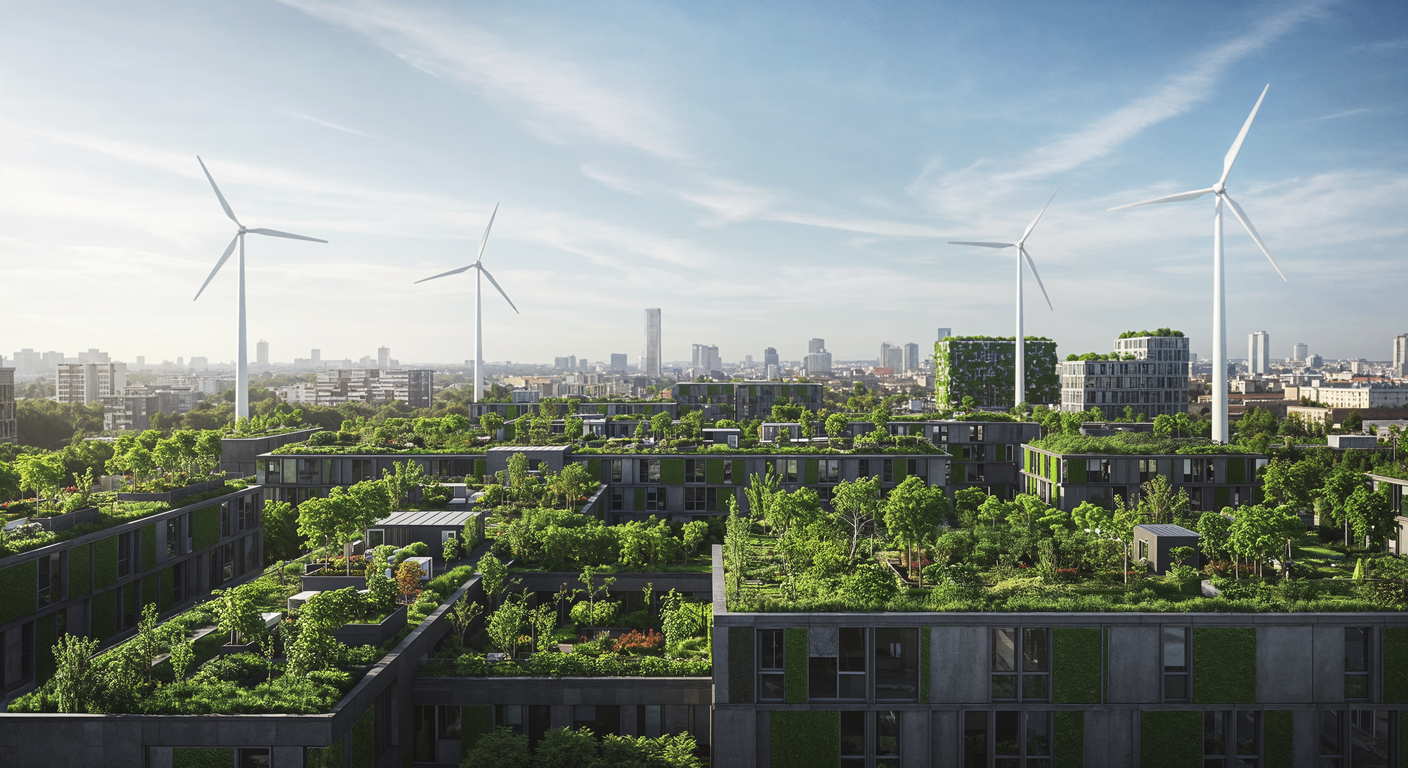
Aligned with Indonesia’s Net Zero Emission 2060 roadmap, the government prioritizes investments in green and high-tech sectors. Through policies such as the Green Investment Facility and ESG-based financing support, investors in solar panels, lithium batteries, hydrogen hubs, and sustainable digital industries enjoy enhanced access to funding and fiscal incentives.
Industrial zones such as Tunas Prima Industrial Estate (TPIE) in Batam have integrated sustainable infrastructure — from centralized waste management systems to Green Mark Infrastructure certification — making TPIE a leading destination for high-tech and eco-industrial expansion.
5. Indonesia–China Bilateral Collaboration: Manufacturing & Logistics
Economic cooperation between Indonesia and China continues to deepen, particularly in manufacturing, energy, and logistics infrastructure. Through the Belt and Road Initiative (BRI) and joint venture projects, Chinese investors are expanding their presence in Batam, Medan, Jakarta, Surabaya, Morowali, and Kendal as strategic production bases in Southeast Asia.
Located only 20 km from Singapore and along major international shipping routes, Batam holds a vital position within the regional maritime economic corridor. Tunas Prima Industrial Estate serves as a strategic bridge connecting China’s technological strength with Indonesia’s market potential and natural resources.
Toward A More Transparent and Sustainable Investment Ecosystem
Through regulatory reforms, fiscal incentives, and strengthened infrastructure, Indonesia is entering a new era of pro-business, sustainability-driven investment. The synergy between legal stability, streamlined licensing, and green energy commitment positions Indonesia not just as a promising market — but as a strategic partner for global investors building sustainable growth in Southeast Asia.