

From Resource Strength to Green Industrial Power
Entering 2026, Indonesia stands at a pivotal juncture — where the progress of 2025’s reforms begins to translate into real industrial transformation. With stronger policy execution, infrastructure expansion, and a surge in green investment, the nation is evolving from a resource exporter into a strategic hub for sustainable manufacturing and clean energy in Asia.
Strategic Resource Advantage
Indonesia remains one of the world’s richest resource bases, supplying critical minerals for the clean energy transition. Nickel, bauxite, and tin support the EV and semiconductor industries, while palm oil continues to drive the global biofuel and food sectors. This natural endowment anchors Indonesia’s ambition to move beyond raw exports into advanced, value-added production.
Downstream Policy & Industrial Transformation
The government’s downstream policy (hilirisasi) is central to that vision — pushing industries to process raw materials domestically, boosting job creation, and strengthening export value. This strategy aligns with the Omnibus Law and OSS RBA framework, which simplify licensing and promote investment in integrated manufacturing zones, especially for EV batteries, solar components, and industrial chemicals.
Import Policy & Industrial Facilitation
Indonesia also streamlines import procedures for raw materials and machinery essential to priority sectors. By easing tariffs and documentation, the government encourages technology transfer and accelerates the modernization of industrial capacity — ensuring local industries remain competitive and globally connected.
Expanding Growth in Logistics, Electronics & Maritime
Rising e-commerce, regional manufacturing integration, and digitalization are driving demand for efficient logistics. Indonesia’s maritime strength — with over 17,000 islands — underpins a logistics boom led by new ports, bonded zones, and smart warehouses. The electronics sector, fueled by demand from ASEAN and East Asia, continues to attract foreign manufacturers seeking cost efficiency and proximity to major shipping routes.
Batam: The Trade & Innovation Gateway
Strategically located just 20 km from Singapore, Batam is evolving into a cross-border innovation hub connecting Indonesia’s industrial capacity with East Asia’s supply chain networks. Industrial estates like Tunas Prima Industrial Estate (TPIE) are redefining sustainable development through integrated utilities, green certification, and investor-ready infrastructure — making Batam a preferred base for export-oriented manufacturing and logistics.
Energy Transition & Emerging Trends 2025–2026
Over the next two years, energy will remain the most dynamic sector shaping Indonesia’s industrial future.
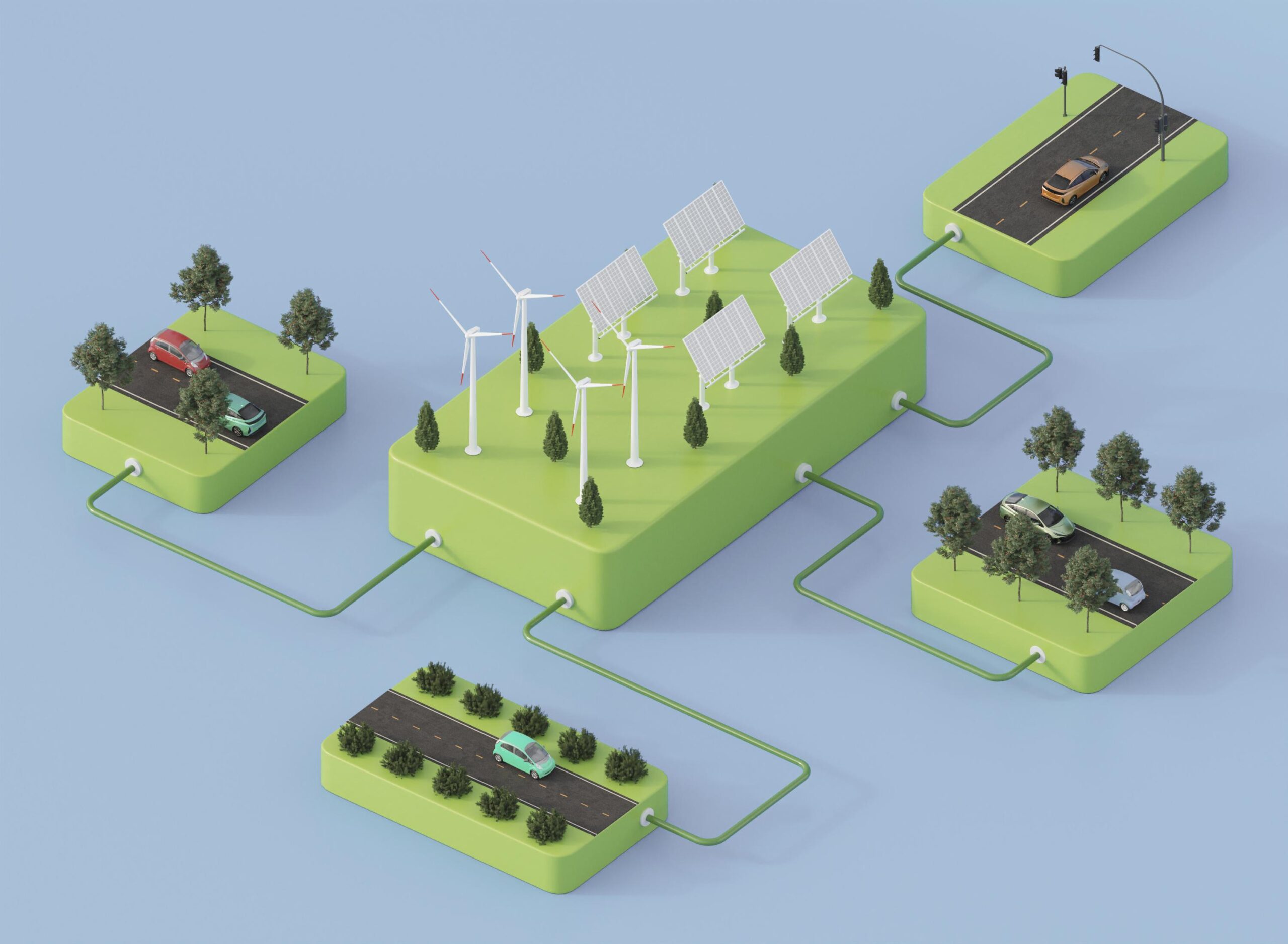
- Renewable Dominance – Solar and wind energy become cost-competitive, accelerating the shift from fossil dependence.
- Advanced Storage – Battery innovations and hydrogen solutions ensure energy stability and grid resilience.
- Electrified Transport – One in four new vehicles is electric, supported by growing EV infrastructure.
- Industrial Efficiency – Smart energy management cuts costs and emissions in heavy industries.
- Green Hydrogen & CCS – Emerging technologies define new investment frontiers.
- Digital & AI Integration – Data-driven grids optimize distribution and forecasting.
- Microgrids & Rooftop Solar – Localized generation enhances energy security.
- Smart Infrastructure – Grid modernization and metering support the clean transition.
- Sustainable Financing – Green bonds and tax incentives fuel ESG-aligned growth.
Outlook: The Next Chapter of Sustainable Growth
As Indonesia moves into 2026, its momentum toward industrial transformation and green transition continues to accelerate. With a strong legal framework, resource-driven policies, and deepening regional partnerships, the nation is reshaping its role in Asia’s sustainable economy.
For global investors, Indonesia is more than a growth market — it is a strategic gateway to the future of sustainable manufacturing and energy. Nowhere is this vision clearer than in Batam, a rising industrial and logistics hub at the crossroads of ASEAN and global trade routes. With its proximity to Singapore and well-developed infrastructure, Batam offers an ideal base for regional operations.
Within this ecosystem, Tunas Prima Industrial Estate (TPIE) stands out as a next-generation industrial platform — integrating green-certified infrastructure, streamlined logistics access, and investor-ready facilities aligned with ESG principles. From short-term incentives and import facilities to long-term participation in renewable and high-tech value chains, TPIE enables investors to turn opportunity into action — and growth into sustainability.