


18 Aug
Why Batam Is Emerging as a Toy Manufacturing Hub
Indonesia’s toy manufacturing industry is gaining momentum — and Batam is emerging as an important destination for the next generation of toy manufacturing.
A recent article published by Toy Institute, titled “Why Indonesia, Why Batam, Why Now: Indonesia Is The Latest Asian Country To Ramp Up Toy Manufacturing & Has Its Very Own Electronics Hub In Batam,” highlights an important development: Indonesia is becoming an increasingly relevant destination for global toy manufacturing, while Batam is uniquely positioned to support the next generation of electronics-integrated products.
From Toys to Tech
Modern toys can incorporate PCBs, microcontrollers, motors, LEDs, speakers and wireless connectivity. Manufacturing these products requires more than traditional assembly capabilities — it requires access to electronics suppliers, engineering expertise, precision manufacturing and supporting industries.
With decades of experience in electronics and export-oriented manufacturing, Batam has developed a strong industrial ecosystem supporting electronics manufacturing, precision engineering and export-oriented production.
Its proximity to Singapore further strengthens its position, allowing businesses to connect regional management and commercial functions with production operations in Batam.
A Strategic Manufacturing Destination
For global manufacturers, the decision to diversify production is increasingly influenced by more than cost.
Supply-chain resilience, access to skilled talent, connectivity, sustainability and speed to production are becoming equally important.
Batam brings these advantages together within Indonesia’s Free Trade Zone environment, making the island an increasingly relevant option for companies looking to expand or diversify their manufacturing operations in Southeast Asia.
For businesses exploring an industrial estate in Batam, the combination of established supply chains and proximity to Singapore offers a practical foundation for long-term manufacturing operations.
Why Batam Stands Out
Indonesia already has an established toy manufacturing industry and a track record of working with major international brands. As more products become electronics-integrated, however, manufacturers need locations with the right combination of supplier density, technical talent, infrastructure and connectivity.
Batam offers many of these fundamentals.
Its established electronics ecosystem, Free Trade Zone status, skilled manufacturing workforce and proximity to Singapore create a compelling proposition for international companies looking to diversify their production footprint beyond traditional manufacturing hubs.
At the same time, the continued diversification of global supply chains beyond China and increasingly demanding sustainability requirements are making locations like Batam more strategically relevant.
Where Tunas Prima Fits In
Located in Kabil, Tunas Prima Industrial Estate is part of Batam’s growing manufacturing landscape.
Spanning 100 hectares, the Batam industrial park offers ready-built factory options, supporting infrastructure and access to the island’s established industrial supply chain.
For businesses evaluating Indonesia as a new production base, ready-built factories can significantly shorten the journey from market entry to production. Combined with Tunas Prima’s sustainability-focused approach and access to Batam’s broader industrial network, this creates a practical platform for manufacturers looking to establish or expand their operations.
As global manufacturing continues to diversify, the opportunity is not simply about finding a lower-cost production location.
It is about finding the right ecosystem to build, scale and compete.
And for electronics-integrated industries — from toys and consumer products to wider technology-driven manufacturing — Batam is becoming increasingly difficult to overlook.
Looking for Your Next Manufacturing Location in Batam?
Explore Tunas Prima Industrial Estate and discover ready-built factory solutions designed for growing businesses.
19 Jan
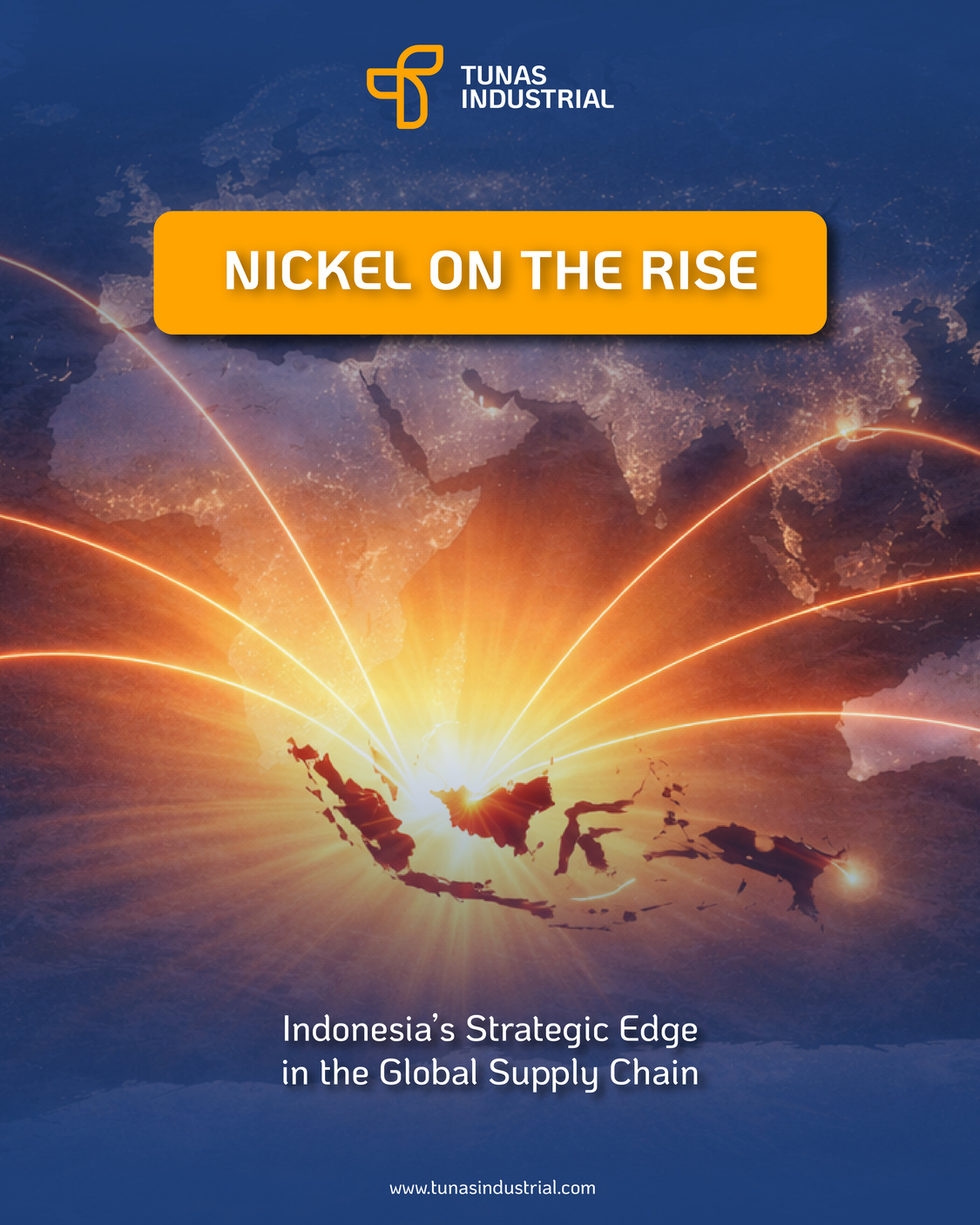
Nickel Outlook Indonesia 2026
Nickel on Rise: From Market Control to Downstream Advantage
In 2026, Indonesia’s nickel industry enters a decisive phase. What began as a strategy of scale is now evolving into one of discipline, integration, and long-term value creation. As the world’s largest nickel producer, Indonesia is no longer merely responding to global demand—increasingly shaping the structure of the market itself.
This transition is anchored in a clear policy reset: tightening upstream supply while accelerating downstream value creation, positioning Indonesia as a strategic backbone of the global battery and clean energy supply chain.
1. Recalibrating Supply: From Volume to Control
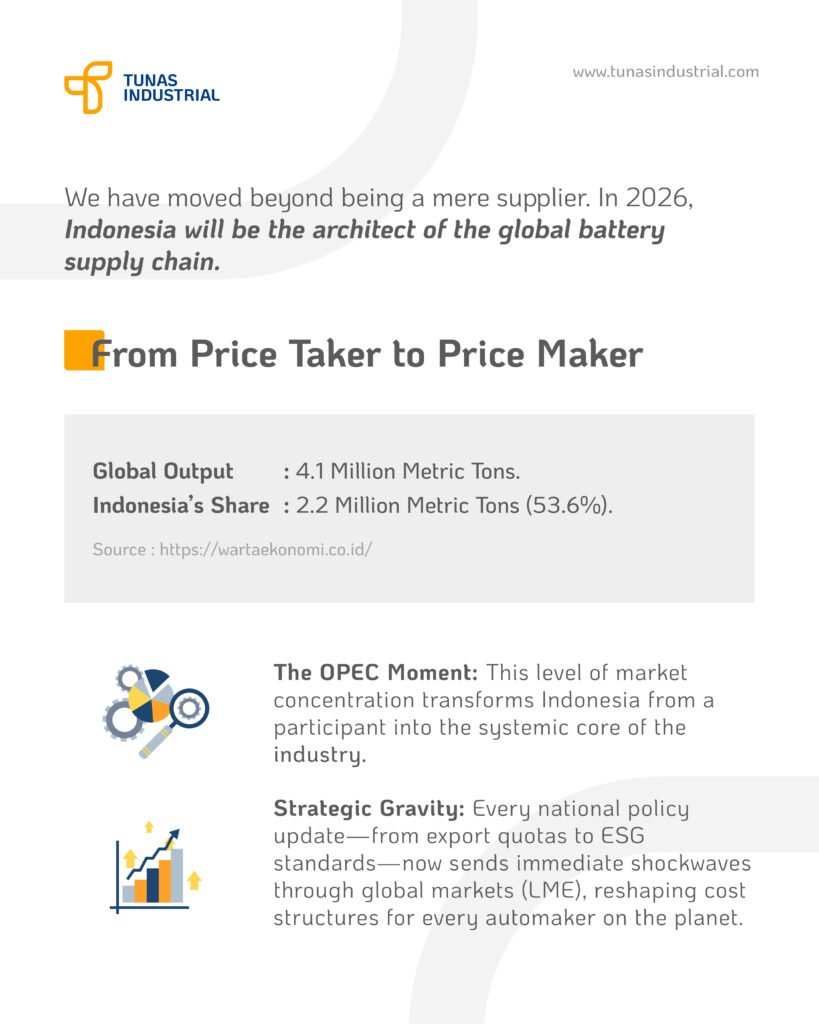
Indonesia plans to reduce raw nickel ore production in 2026 from approximately 379 million tonnes in 2025 to around 250 million tonnes. The objective is to manage global oversupply, stabilize pricing, and rebalance industry incentives. Given Indonesia’s dominant share of global nickel output, even partial implementation sends immediate signals across international markets—marking a structural shift from price taker to market shaper.
2. Price Discipline and Market Volatility
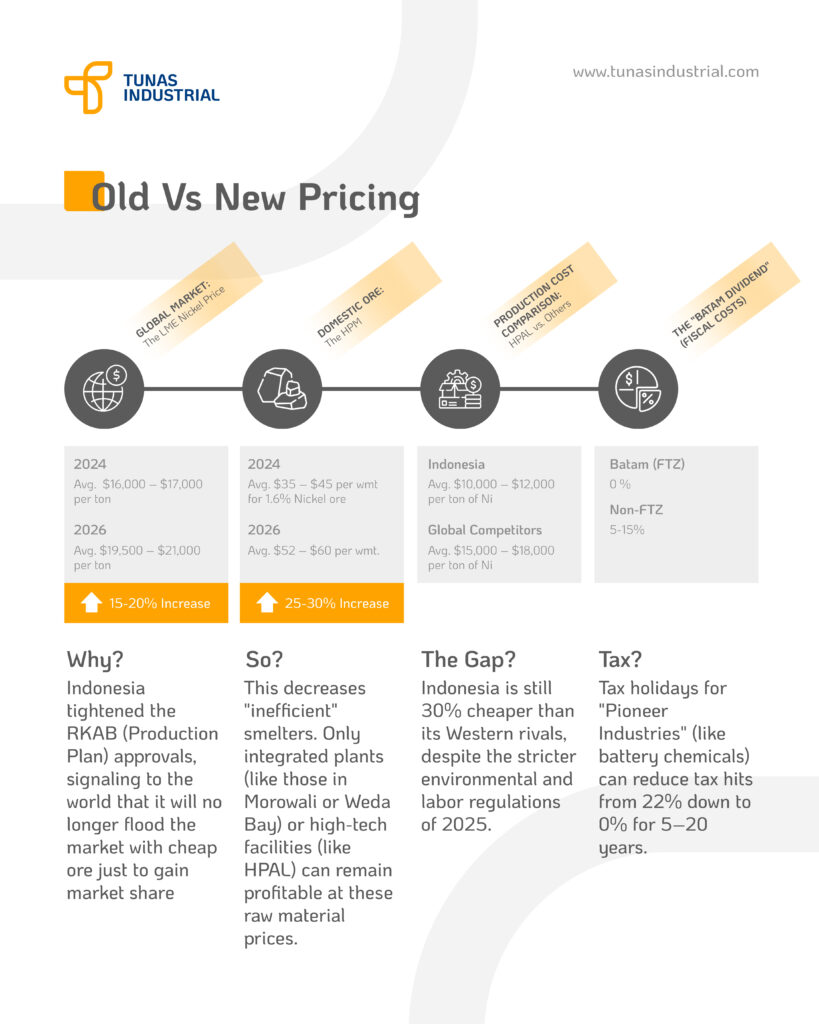
Production control is designed to support nickel prices after years of compression. Still, 2026 is expected to remain volatile, shaped by regulatory enforcement, miner compliance, and global demand dynamics. In this environment, competitiveness is no longer driven by volume alone, but by cost efficiency, integration depth, and location within the value chain.
3. Downstream Integration as Strategic Core
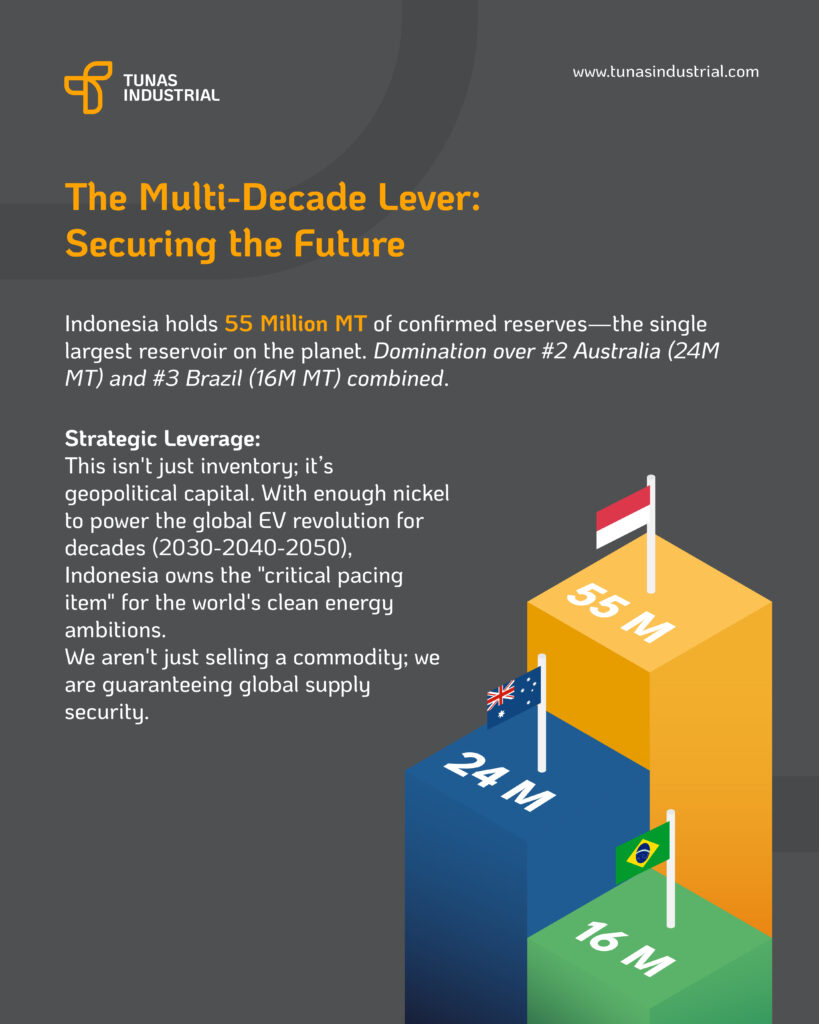
Beyond supply discipline, Indonesia’s primary objective is value capture. Policy focus continues shifting toward battery-grade nickel products such as:
- Mixed Hydroxide Precipitate (MHP)
- Nickel sulphate
- Cathode precursor materials
Despite growing adoption of LFP batteries, nickel-intensive chemistries remain critical for long-range EVs and energy storage solutions. Long-term EV demand growth toward 2030 continues to underpin structural nickel demand. Indonesia is no longer exporting ore—it is embedding itself into global EV, battery, and energy storage ecosystems.
4. Regulatory Tightening Reshapes Competitive Advantage
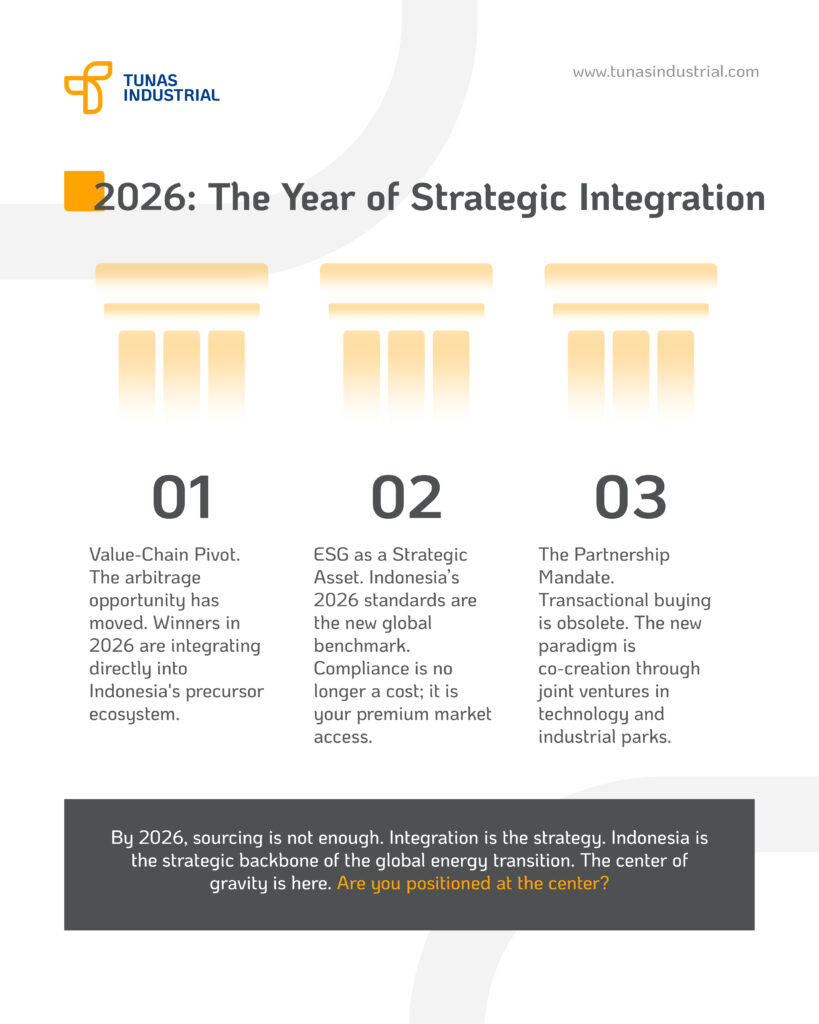
Stricter RKAB approvals, tighter environmental governance—particularly for HPAL operations—and higher compliance standards are reshaping industry economics. Lower-efficiency operators face margin pressure, while integrated and compliant players gain a durable edge. As a result, capital increasingly gravitates toward locations that minimize regulatory friction while maintaining export efficiency.
5. Batam: The Downstream Industrial Hub
As upstream nickel production becomes more disciplined, downstream flexibility and efficiency become decisive. In this context, Batam emerges as a strategic downstream hub where processing, component manufacturing, and export converge.
Batam’s advantages include:
- Free Trade Zone (FTZ) status, enabling 0% import duties
- Proximity to Singapore’s logistics, finance, and certification ecosystem
- Export-oriented infrastructure and regulatory efficiency
This positioning is reinforced by an existing base of export-oriented manufacturers in electronics, energy, precision engineering, and industrial services—demonstrating Batam’s readiness for advanced downstream industries.
6. Tunas Prima: Translating Strategy into Industrial Readiness
Within Batam, Tunas Prima Industrial Estate (TPIE) functions as an execution platform for downstream industrialization aligned with Indonesia’s nickel strategy. Designed to support advanced manufacturing and energy-related industries, Tunas Prima offers:
- A masterplanned industrial environment with scalable land availability
- Infrastructure suited for high-spec, export-driven operations
- Alignment with green industry principles and sustainability standards
With established international manufacturers such as Luxshare ICT and CLOU Electronics—whose their first Battery Energy Storage System (BESS) manufacturing in Indonesia—Tunas Prima demonstrates operational readiness as an industrial ecosystem capable of accommodating and scaling downstream industries, including nickel-related investments.
Conclusion
Indonesia’s nickel outlook in 2026 is no longer defined by how much it produces, but by where and how value is completed. As upstream supply becomes more disciplined, downstream execution becomes the differentiator. Batam represents the logical convergence point for export-oriented value creation—while Tunas Prima provides the industrial readiness that translates national policy into global supply chain participation. Connect with us now.
08 Dec
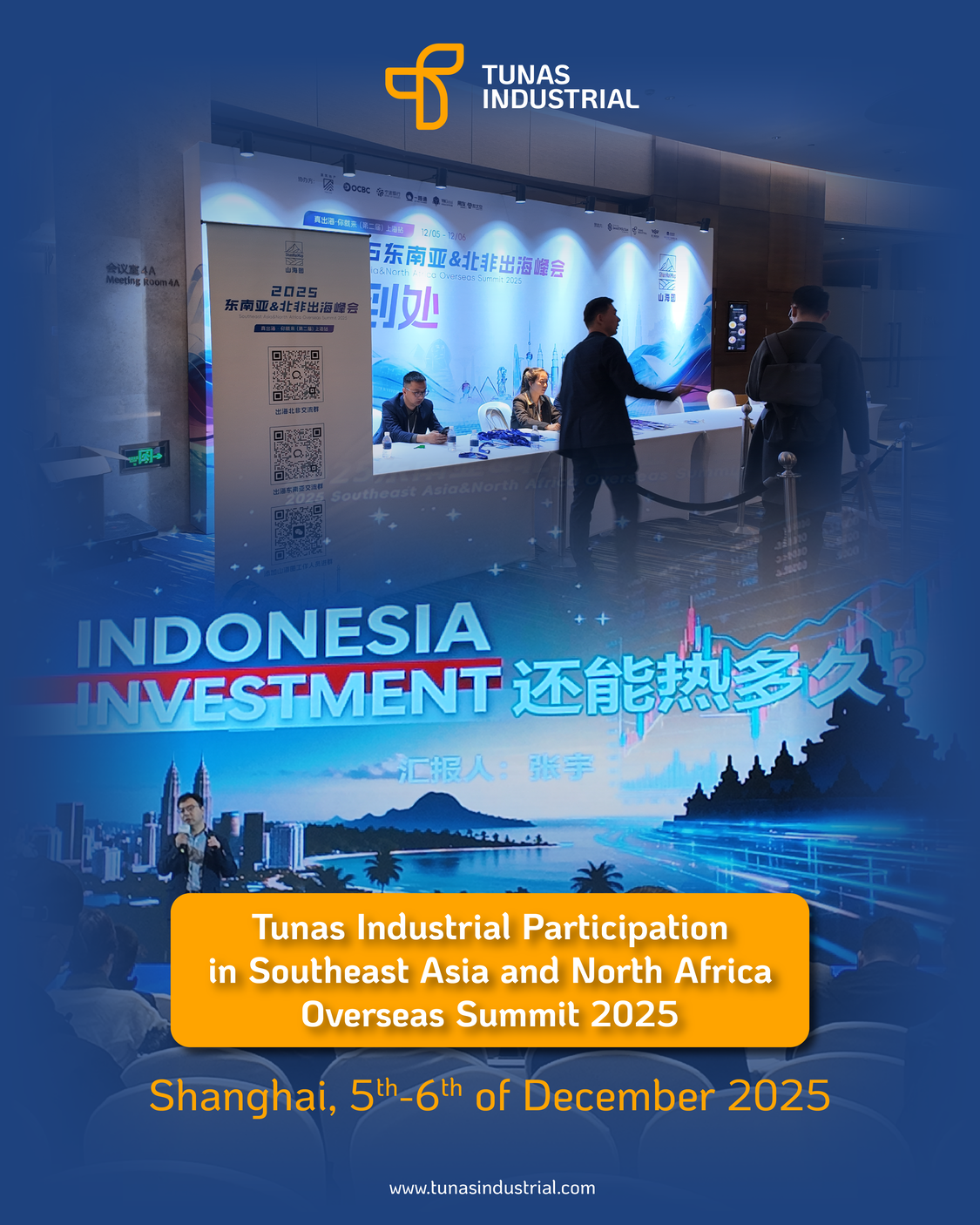
Tunas Industrial Participated at Southeast Asia & North Africa Overseas Summit 2025
Shanghai, China — December 6, 2025. Tunas Industrial proudly participated in the Southeast Asia & North Africa Overseas Summit 2025, held on December 5–6 at Primus Hotel Shanghai Hongqiao. Hosted by Shan Hai Map, the event drew over 4,500 enterprises exploring expansion into fast-growing global manufacturing destinations.
The summit highlighted major structural shifts in global supply chains, positioning Southeast Asia and North Africa as rising hubs for advanced manufacturing. Indonesia stood out for its economic stability, competitive talent pool, expanding industrial ecosystem, and rapidly improving infrastructure.
A Strong Momentum for Indonesia in Global Supply Chain Shift
Across the sessions, experts emphasized fast-growing sectors—including green energy and battery systems, EV components, medical devices, data centers, smart electronics, and chemical processing—all of which strongly align with China’s industrial strengths and present substantial collaboration potential.
A comprehensive site selection analysis further reinforced Indonesia’s appeal. Evaluating logistics access, workforce readiness, fiscal incentives, and regulatory clarity, Indonesia—particularly Batam—emerged as a top choice for companies seeking efficient, scalable, and strategically located operations. Its proximity to Singapore and strong government support make it an ideal base for Chinese enterprises expanding into the Southeast Asia market.
The discussions also underscored Indonesia’s rapid move toward higher-value manufacturing. Rising demand across EV ecosystems, renewable energy, electronics, medical devices, and digital infrastructure continues to attract Chinese participation, supported by clearer regulations and expanding industrial connectivity.
Regulatory updates, PPP-driven infrastructure opportunities, and Indonesia’s long-term new-energy roadmap further strengthened confidence in the country’s investment outlook. Combined with the momentum of its digital and retail economy, Indonesia is increasingly recognized as one of Asia’s most dynamic and future-ready growth markets.
Tunas Prima — A Strategic Gateway for Chinese Enterprises
Throughout the summit, Tunas Industrial hosted an exhibition booth providing direct insights into Batam’s market potential and Indonesia expansion opportunities. The team showcased Tunas Prima Industrial Estate, emphasizing its integrated green industry ecosystem, scalable facilities, and modern infrastructure designed to support seamless foreign investment.
Visitors gained a clearer understanding of Batam’s unique position within the Singapore–Malaysia–Batam Golden Triangle, offering unmatched connectivity for regional manufacturing and distribution. With government-backed incentives and robust utilities, Tunas Prima stands as a catalyst for advanced manufacturing and a reliable partner for Chinese companies entering Southeast Asia.
02 Dec
Indonesia Business Outlook 2026: Green Industrial Power
From Resource Strength to Green Industrial Power
Entering 2026, Indonesia stands at a pivotal juncture — where the progress of 2025’s reforms begins to translate into real industrial transformation. With stronger policy execution, infrastructure expansion, and a surge in green investment, the nation is evolving from a resource exporter into a strategic hub for sustainable manufacturing and clean energy in Asia.
Strategic Resource Advantage
Indonesia remains one of the world’s richest resource bases, supplying critical minerals for the clean energy transition. Nickel, bauxite, and tin support the EV and semiconductor industries, while palm oil continues to drive the global biofuel and food sectors. This natural endowment anchors Indonesia’s ambition to move beyond raw exports into advanced, value-added production.
Downstream Policy & Industrial Transformation
The government’s downstream policy (hilirisasi) is central to that vision — pushing industries to process raw materials domestically, boosting job creation, and strengthening export value. This strategy aligns with the Omnibus Law and OSS RBA framework, which simplify licensing and promote investment in integrated manufacturing zones, especially for EV batteries, solar components, and industrial chemicals.
Import Policy & Industrial Facilitation
Indonesia also streamlines import procedures for raw materials and machinery essential to priority sectors. By easing tariffs and documentation, the government encourages technology transfer and accelerates the modernization of industrial capacity — ensuring local industries remain competitive and globally connected.
Expanding Growth in Logistics, Electronics & Maritime
Rising e-commerce, regional manufacturing integration, and digitalization are driving demand for efficient logistics. Indonesia’s maritime strength — with over 17,000 islands — underpins a logistics boom led by new ports, bonded zones, and smart warehouses. The electronics sector, fueled by demand from ASEAN and East Asia, continues to attract foreign manufacturers seeking cost efficiency and proximity to major shipping routes.
Batam: The Trade & Innovation Gateway
Strategically located just 20 km from Singapore, Batam is evolving into a cross-border innovation hub connecting Indonesia’s industrial capacity with East Asia’s supply chain networks. Industrial estates like Tunas Prima Industrial Estate (TPIE) are redefining sustainable development through integrated utilities, green certification, and investor-ready infrastructure — making Batam a preferred base for export-oriented manufacturing and logistics.
Energy Transition & Emerging Trends 2025–2026
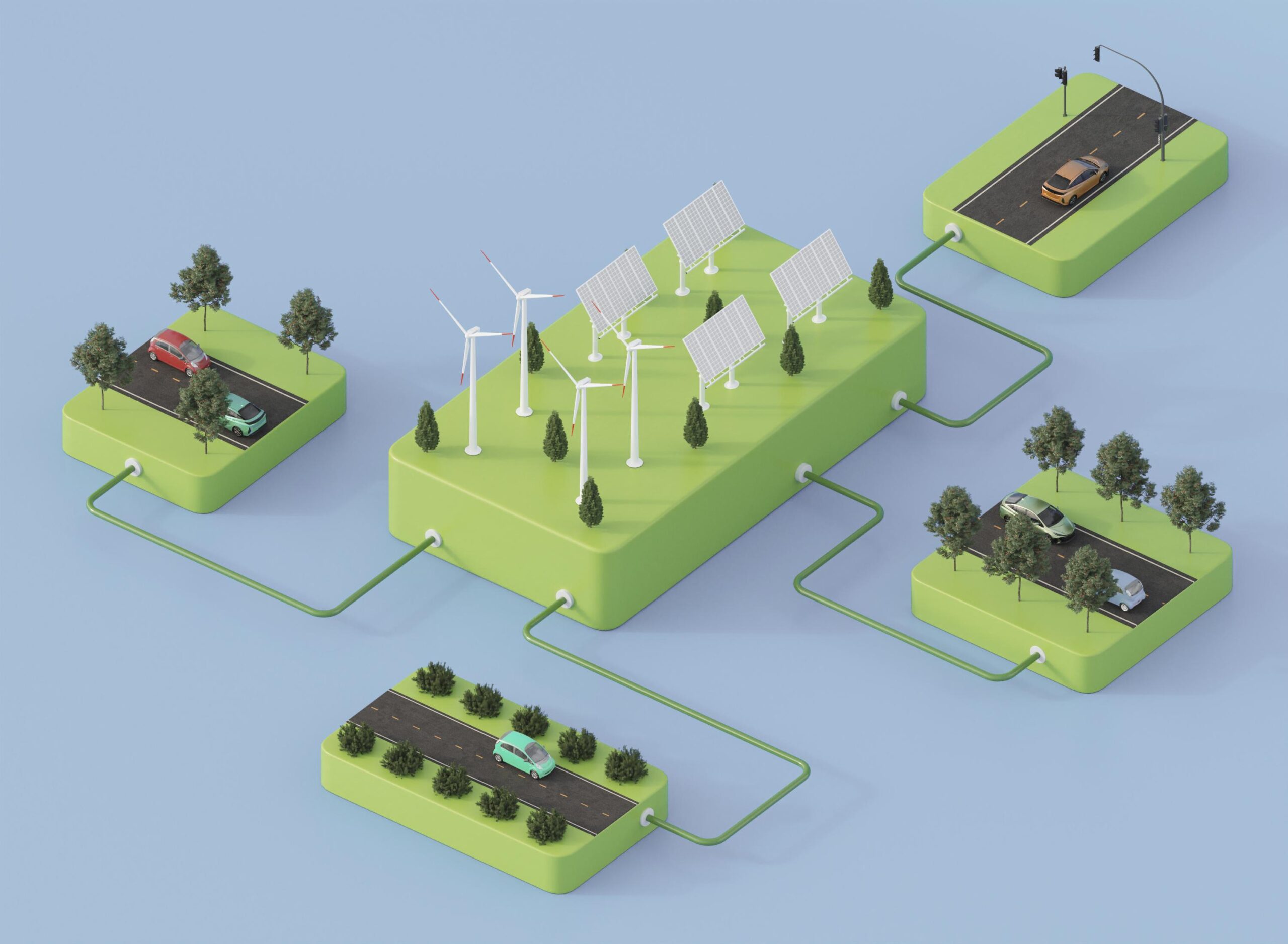
Over the next two years, energy will remain the most dynamic sector shaping Indonesia’s industrial future.
- Renewable Dominance – Solar and wind energy become cost-competitive, accelerating the shift from fossil dependence.
- Advanced Storage – Battery innovations and hydrogen solutions ensure energy stability and grid resilience.
- Electrified Transport – One in four new vehicles is electric, supported by growing EV infrastructure.
- Industrial Efficiency – Smart energy management cuts costs and emissions in heavy industries.
- Green Hydrogen & CCS – Emerging technologies define new investment frontiers.
- Digital & AI Integration – Data-driven grids optimize distribution and forecasting.
- Microgrids & Rooftop Solar – Localized generation enhances energy security.
- Smart Infrastructure – Grid modernization and metering support the clean transition.
- Sustainable Financing – Green bonds and tax incentives fuel ESG-aligned growth.
Outlook: The Next Chapter of Sustainable Growth
As Indonesia moves into 2026, its momentum toward industrial transformation and green transition continues to accelerate. With a strong legal framework, resource-driven policies, and deepening regional partnerships, the nation is reshaping its role in Asia’s sustainable economy.
For global investors, Indonesia is more than a growth market — it is a strategic gateway to the future of sustainable manufacturing and energy. Nowhere is this vision clearer than in Batam, a rising industrial and logistics hub at the crossroads of ASEAN and global trade routes. With its proximity to Singapore and well-developed infrastructure, Batam offers an ideal base for regional operations.
Within this ecosystem, Tunas Prima Industrial Estate (TPIE) stands out as a next-generation industrial platform — integrating green-certified infrastructure, streamlined logistics access, and investor-ready facilities aligned with ESG principles. From short-term incentives and import facilities to long-term participation in renewable and high-tech value chains, TPIE enables investors to turn opportunity into action — and growth into sustainability.
29 Nov
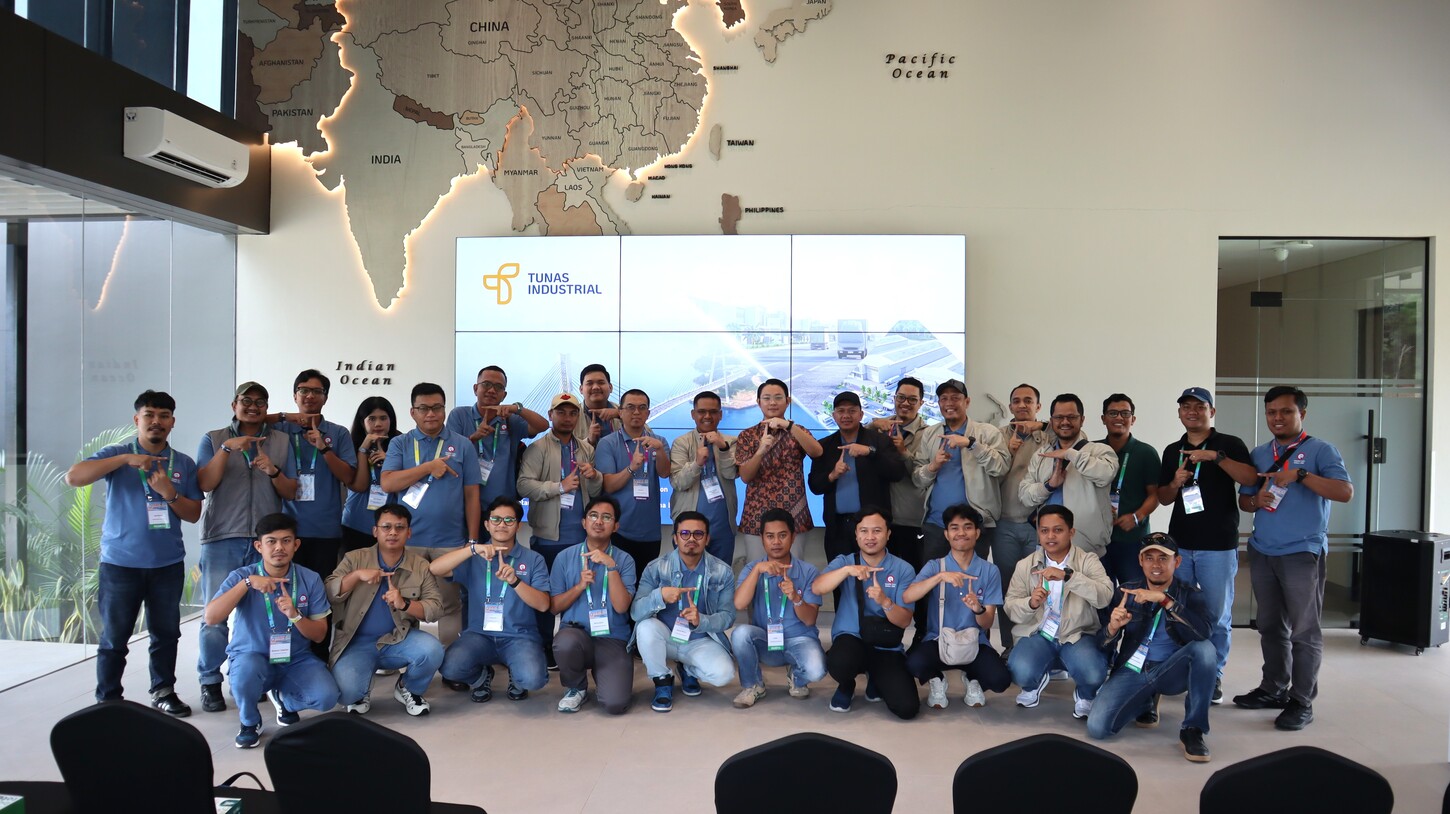
TKMPN 2025 Delegation Visits Tunas Prima Industrial Estate
Batam, 28 November 2025 – Tunas Prima Industrial Estate today welcomed the official delegation of the National Quality and Productivity Convention (TKMPN) XXIX 2025, an annual national platform where Indonesian organizations showcase their innovations and achievements in quality and productivity enhancement.
Held in Batam from 24–28 November 2025, TKMPN once again entrusted the city as host for the fourth time. This year’s theme, “Strengthening National Competitiveness Through Productive and Sustainable Innovation,” brought together participants from multinational companies, state-owned enterprises, private corporations, government institutions, universities, healthcare organizations, and non-profit institutions.
As part of the industrial visit agenda, Tunas Prima Industrial Estate was selected as a strategic destination for participants to observe Batam’s industrial ecosystem and understand how the estate supports national productivity goals—especially through its sustainability-driven development approach. A total of 28 participants joined the on-site discussion and presentation.
Innovation & Estate Governance at Tunas Prima Industrial Estate
During the Focus Group Discussion (FGD), Chrispin Andereas, Head of Business Development at Tunas Industrial, presented the estate’s strategic initiatives and addressed key questions on operations, sustainability, and Tunas Prima’s readiness to meet future industrial demands.
1. Waste Management
Participants highlighted Batam’s waste challenge, with the city generating 1,300 tons of waste per day (DLH Batam, 2023) and landfill capacity projected to last only until 2030. To address this:
- Tunas Prima is the pioneering industrial estate in Batam to initiate a centralized Industrial Waste Management program.
- The program is built on four pillars: technology innovation, source-based segregation, centralized control, and converting waste into value.
- Waste is managed under an organic–inorganic–economic framework, with 50% recycled through a Materials Recovery Facility (MRF).
These efforts align with Batam City’s long-term plan for a more modern and sustainable waste management system.
2. Clean Water & Wastewater Management
To ensure sustainable water availability:
- Tunas Prima partners with SPAM Batam as the main clean water supplier.
- The estate applies Reduce, Reuse, Recycle principles through:
- WELS 3-ticks certified sanitary fixtures
- A Rainwater Harvesting Pond as an alternative water source
- Wastewater treatment via a Wastewater Treatment Plant (WWTP) before discharge
3. ISO Implementation
Tunas Prima is currently undergoing the audit phase for ISO 9001 implementation, reinforcing its commitment to operational quality.
4. Mobility & Internal Transportation
Tunas Prima is designed as a pedestrian-friendly estate with safe and comfortable pathways within a 1 km radius from the main entrance to offices and warehouses. Pick-up points for taxis and online ride-hailing services will be available at the front entrance. Vehicle restrictions are enforced to maintain safety and order within the estate.
5. Innovation & Green Infrastructure
Tunas Prima is the first green industrial estate in Batam to receive the Green Mark Provisional Certificate from BCA International, supporting its vision of a low-carbon industrial zone through:
- An IoT-based Command Center for environmental monitoring
- Interconnected walkways and bicycle-friendly paths
- Drought-resistant landscape planting
- Energy efficiency and optimized resource use
- Eco-friendly landscape design with future expansion zones
Batam’s strategic position in the Singapore–Malaysia Golden Triangle further strengthens Tunas Prima’s role as a global industrial hub and a preferred destination for modern supply chain activities.
The TKMPN 2025 visit reaffirms Tunas Prima Industrial Estate’s position as a progressive, adaptive, and sustainability-driven industrial area. With modern governance and green infrastructure, Tunas Prima continues to support national efforts to enhance quality, productivity, and competitiveness.

17 Nov
Indonesia Business Registry Guide for Foreign Investors (Part 1)
Batam, November 17, 2025 — Entering Indonesia without proper business registration is like building on sand—there is no legal foundation to stand on. Under Indonesian law, every business must be formally registered and licensed through the Business Identification Number (Nomor Induk Berusaha / NIB), as mandated by Government Regulation No. 5/2021 on Risk-Based Licensing.
Once registered, a company gains full legal capability: entering contracts, opening bank accounts, hiring employees, protecting IP, and accessing Indonesian courts. For foreign investors, this is both protection and market credibility—especially in a region where regulatory certainty drives decision-making. Global trends such as China+1 diversification, the restructuring of supply chains, and ASEAN’s rapid economic growth are pushing companies to seek stable bases in Southeast Asia, and Indonesia is emerging as a key destination.
OSS RBA: Indonesia’s Modernized Licensing System
Indonesia’s licensing reforms through the Online Single Submission – Risk-Based Approach (OSS RBA) have significantly improved ease of doing business. The system calibrates requirements based on business risk and has shortened company establishment from nearly 50 days to as fast as 14 days. For international businesses, this modernization means predictable entry timelines, transparent checklists, and a single digital interface.
PT PMA: The Primary Vehicle for Foreign Ownership
For foreign investors, the most important entity is the PT PMA (Perseroan Terbatas Penanaman Modal Asing)—a limited liability company with foreign ownership. A PT PMA allows foreign individuals or corporations to hold up to 100% ownership in sectors open under the Positive Investment List (Presidential Regulation No. 10/2021) (Government of Indonesia, 2021). However, some industries remain partially restricted, requiring local partners. The table below shows a simplified comparison:
| Business Entity | Ownership | Capital Requirement | Best For |
| PT PMA | Up to 100% foreign (depending on sector) | IDR 10 billion minimum investment, IDR 2.5 billion paid-up (≈ USD 650,000) | Foreign investors entering medium-large scale industries |
| Local PT | 100% local shareholders only | Lower capital threshold (≈ IDR 50 million) | Domestic SMEs, not for foreigners |
| Representative Office (KPPA/KP3A) | 100% foreign but non-revenue generating | No capital requirement | Market research, liaison, no direct sales |
| Branch Office | Not common in Indonesia | N/A | Not applicable under Indonesian law |
Capital requirements matter: under BKPM Regulation No. 4/2021, PT PMAs must invest at least IDR 10 billion per business line (BKPM, 2024). Many investors underestimate this, leading to rejected applications. Choosing the right structure is therefore critical to ensure compliance and scalability.
Operational Readiness: Capital, Talent, and Compliance
After registration, companies must complete capital verification, expatriate hiring paperwork (RPTKA/work permits), and secure industry-specific licenses. In 2023, 12% of foreign companies failed compliance audits due to mismatched KBLI or missing sectoral permits—underscoring the need for careful planning.
Why Batam Offers a Strategic Edge Compared to Other Indonesian Cities
While Jakarta, Surabaya, and Medan are major business hubs, Batam uniquely combines Free Trade Zone incentives with Singapore-proximity logistics—a combination no other Indonesian city offers.
Key differentiators:
-
FTZ taxes and duty exemptions, unlike Jakarta or Surabaya
-
20 km to Singapore, giving faster access to global supply chains
-
Lower operating costs than Jakarta and Bali
-
Faster land and infrastructure facilitation through BP Batam
-
Strong base for export-oriented manufacturing, electronics, and logistics
This makes Batam one of the most efficient entry points for foreign companies seeking both cost advantage and international connectivity.
Soft Landing in Indonesia Starts With the Right Industrial Partner
For foreign investors expanding into Indonesia—especially in manufacturing, logistics, and technology—choosing the right industrial estate partner can reduce risk and accelerate operational readiness.
Tunas Prima Industrial Estate in Batam offers:
-
Ready-to-build industrial land with complete utilities
-
Assistance for NIB, OSS RBA, and PT PMA setup
-
Integrated wastewater, road networks, and power infrastructure
-
Strategic location minutes from Singapore’s trade corridor
-
A supportive ecosystem built for multinational manufacturers
As global supply chains shift and ASEAN’s economy rises, Batam offers the incentives—and Tunas Industrial offers the execution support—to help your business expand into Indonesia with confidence.
27 Oct
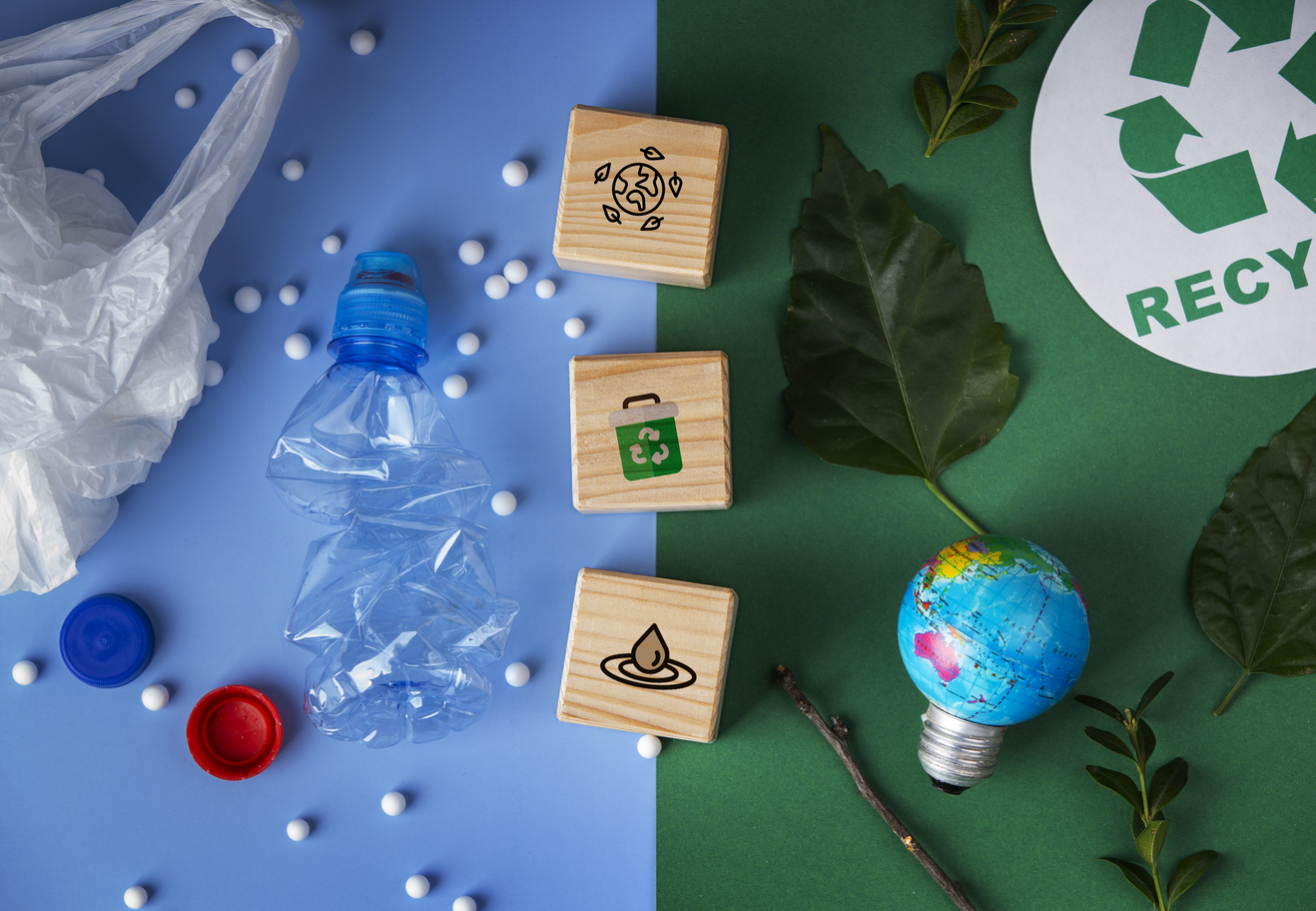
Tunas Prima Sustainable Waste Management
Transforming Waste into Value: Tunas Prima’s Integrated Approach to Sustainable Waste Management
Urgent Waste Challenges
Waste pollution is escalating worldwide. The United Nations estimates that without quick action, plastic waste could nearly triple by 2060, affecting climate, ecosystems, and human health (UNEP, 2023). Indonesia faces this urgency firsthand. The country produces 69.9 million tons of waste annually, yet only around 10% is properly processed, while a significant share remains unmanaged (Ecoton, 2023). Rivers, seas, and urban environments are increasingly impacted.
Waste Challenge of Batam
As one of Indonesia’s fastest-growing industrial regions, Batam generates 1,200–1,300 tons of waste daily (Batam Environmental Agency, 2023). The Telaga Punggur landfill is nearing capacity and forecasted to be usable only until 2030 (Ministry of Environment and Forestry, 2021). Restrictions on industrial waste disposal are tightening—highlighting the need for stronger private-sector solutions to maintain Batam’s growth as a clean and competitive industrial hub.
Tunas Group’s Commitment
Tunas Group, through Tunas Prima Industrial Estate, has taken proactive leadership in developing a centralized waste management system designed to reduce landfill dependence, improve recycling rates, and transform waste into valuable resources. The approach follows four main principles:
1. Innovation-Led Waste Solutions
Tunas Group continuously evaluates modern technologies including:
– Advanced recycling
– Waste-to-energy processes
– Pyrolysis conversion
These solutions are assessed based on efficiency, environmental impact, and feasibility for Batam’s industrial ecosystem.
2. Sorting at the Source
Employees and tenants are trained to segregate waste at the point of disposal Organic, Inorganic, Recyclable, and Hazardous. This improves downstream processing efficiency and reduces contamination—building a culture of accountability in daily operations.
3. Centralized Collection and Control
All industrial and commercial waste across the estate is routed through a centralized management facility, enabling:
– Uniform environmental standards
– Strict monitoring and traceability
– Prevention of illegal dumping or leakage
This directly supports Batam’s need for more efficient waste infrastructure.
4. Turning Waste into New Value
Tunas Group focuses on resource recovery through:
– Conversion of plastics and biomass into energy or biochar
– Repurposing residual waste for construction or industrial materials
This circular economy approach reduces emissions, lowers landfill dependence, and creates new economic value from discarded material.
Aligned with National Policy
The program fully complies with Indonesia’s environmental regulations, including:
– Law No. 18/2008 on Waste Management
– Government Regulation No. 101/2014 on Hazardous Waste
– Ministerial Regulation No. 75/2019 on reducing packaging waste
Tunas Prima Industrial Estate is the first in Batam to establish a centralized Industrial Waste Management Program, supporting the city’s long-term waste management strategy.
Driving a Cleaner Future for Batam
By integrating technology, operational responsibility, and sustainability culture, Tunas Group helps ensure that industrial growth in Batam does not come at the expense of the environment. Through this model, waste becomes a resource, not a burden — empowering Batam’s transition toward a circular, resilient, and environmentally responsible industrial future.
10 Oct
Ensuring Water Security at Tunas Prima Industrial Estate
Sustainable Resource with Rainwater Harvesting Ponds
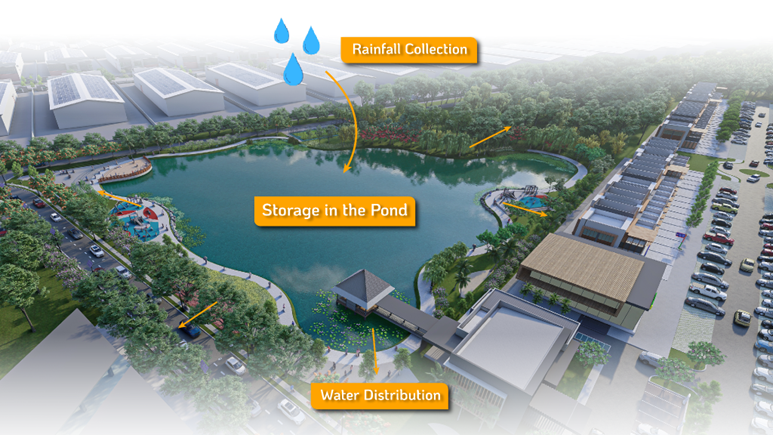
Batam, 10 October 2025 – As global attention toward sustainable industrial development continues to grow, managing water resources responsibly has become an essential part of resilient infrastructure. At Tunas Prima Industrial Estate, this commitment takes shape through the installation of rainwater harvesting ponds—an eco-smart solution designed to capture, store, and utilize rainwater efficiently while reducing dependence on conventional water sources.
Rainwater harvesting ponds work on a simple yet powerful principle: collect rainfall that would otherwise flow away as surface runoff, and store it for future use. In Tunas Prima, these ponds are strategically placed near drainage and retention zones to optimize water capture from rooftops, paved surfaces, and open grounds across the estate.
Once collected, rainwater naturally settles in the ponds, where it can be used for various non-potable needs such as irrigation, industrial processes, and landscape maintenance—or gradually infiltrate into the ground to help recharge local aquifers. This approach transforms a seasonal resource into a reliable, year-round water reserve that supports both business operations and environmental balance.
Key Benefits for a Sustainable Estate
Reliable Water Supply During Dry Seasons
By capturing rainfall during high-precipitation months, these ponds provide a steady backup source of water during dry periods—reducing the risk of shortages and ensuring operational continuity for businesses within the estate.
Reducing Dependence on Conventional Water Systems
The harvested rainwater supplements existing water supply networks, easing the strain on municipal and groundwater systems. This not only supports regional water conservation but also contributes to a more sustainable and self-sufficient estate ecosystem.
Environmental and Ecological Balance
Beyond functionality, the ponds play a vital role in maintaining the natural hydrological cycle. They help control stormwater runoff, prevent soil erosion, and enhance local biodiversity—creating a greener, more resilient industrial environment.
Building a Greener Future for Industry
The rainwater harvesting initiative at Tunas Prima Industrial Estate reflects a broader vision: to integrate sustainability into every layer of infrastructure. These ponds are more than just water reservoirs—they’re part of an eco-engineered system designed to balance industrial progress with environmental stewardship. At Tunas Prima, innovation doesn’t always mean complex technology. Sometimes, the smartest solutions are those inspired by nature itself—simple, effective, and enduring.
09 Oct
Geocell Application at Tunas Prima Industrial Estate
Geocell: The Eco-Smart Ground Solution Strengthening Tunas Prima Industrial Estate
Batam, 9 October 2025 — As industrial growth accelerates, the demand for durable, sustainable, and cost-efficient infrastructure has never been greater. Industrial estates today must withstand heavy logistics activity while aligning with long-term environmental goals. At Tunas Prima Industrial Estate, one of Batam’s leading hubs for industrial excellence, innovation begins from the ground up. To build stronger, smarter foundations, we’ve adopted Geocell ground reinforcement technology—a sustainable engineering solution redefining how modern estates prepare their land.
What is Geocell?
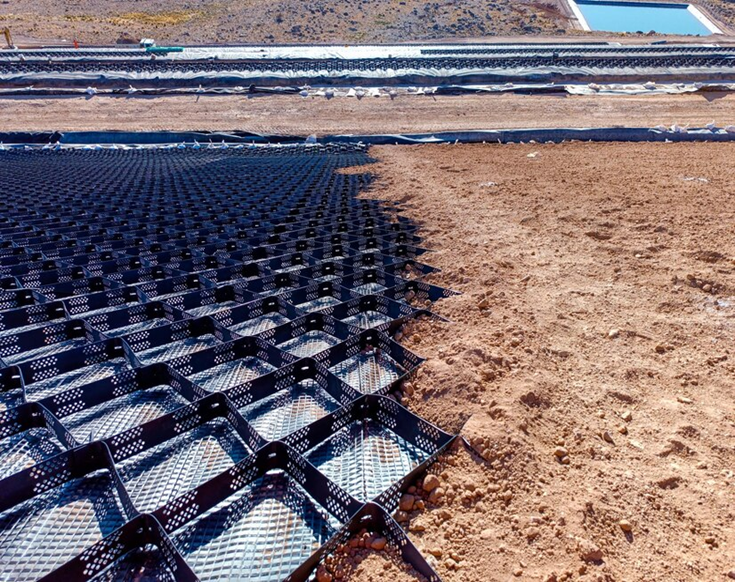
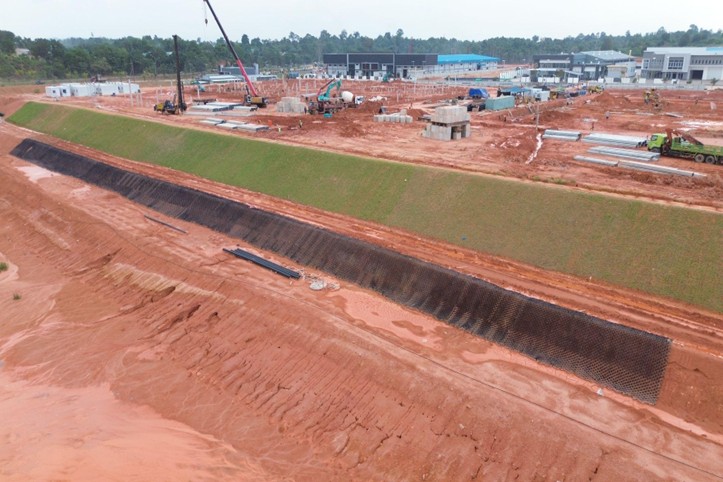
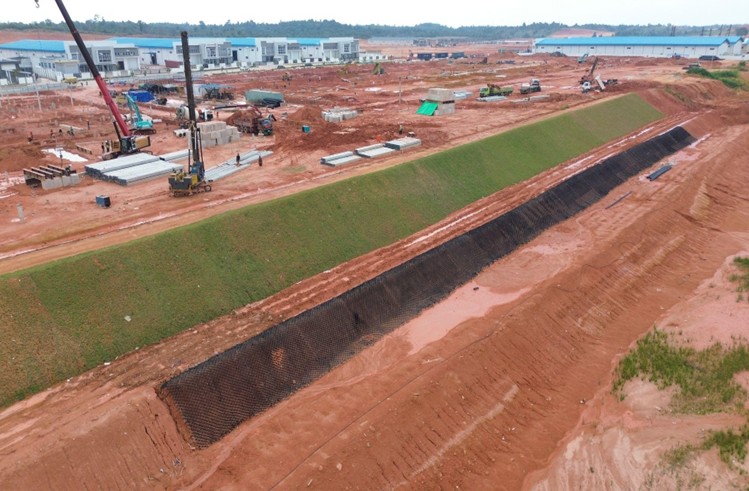
Geocell is a three-dimensional cellular confinement system made from high-density polyethylene (HDPE). Structurally, it looks like a honeycomb. When expanded and filled with soil, gravel, or other aggregates, it creates a stable, load-distributing layer that strengthens weak ground and prevents erosion or surface failure.
Originally developed for military and civil engineering purposes, Geocell has become a trusted solution in infrastructure projects worldwide. It’s fast to install, cost-efficient, and remarkably effective for challenging soil conditions—making it ideal for large-scale industrial developments like Tunas Prima.
Why Geocell Matters for Industrial Estates
Industrial estates face continuous stress from heavy vehicles, logistics traffic, and large-scale construction. Traditional reinforcement methods, such as deep concrete foundations, can be expensive, time-consuming, and environmentally taxing.
Geocell offers a smarter, greener alternative—providing strength, flexibility, and sustainability in one solution.
At Tunas Prima, Geocell is used to reinforce:
-
Heavy-duty logistics roads – designed to handle container trucks and cargo operations.
-
Warehousing platforms – ensuring surface stability and minimizing ground settlement.
-
Drainage systems and slopes – protecting against erosion while maintaining proper water flow.
-
Natural landscapes and water retention zones – stabilizing terrain without disrupting the ecosystem.
The Key Benefits of Geocell at Tunas Prima
Eco-Friendly Design
Geocell reduces reliance on concrete and asphalt, minimizing excavation and carbon emissions. Its permeable structure allows natural rainwater absorption and groundwater recharge—especially vital around our rain harvesting ponds, where reinforced terrain supports sustainability without altering natural flow patterns.
Cost Efficiency
By using locally available fill materials and requiring less excavation, Geocell significantly lowers material and labor costs. Faster installation also helps our industrial tenants meet project timelines more efficiently.
Engineered for Heavy Loads
Designed to spread pressure evenly, Geocell prevents rutting and deformation—even under the weight of container trucks and industrial machinery operating daily across the estate.
Durability and Low Maintenance
Geocell delivers long-lasting surface stability, reducing maintenance needs and extending the lifespan of internal roads, platforms, and slopes. This durability translates into long-term cost savings for both estate management and tenants.
Integrating Geocell into the Tunas Prima Master Plan
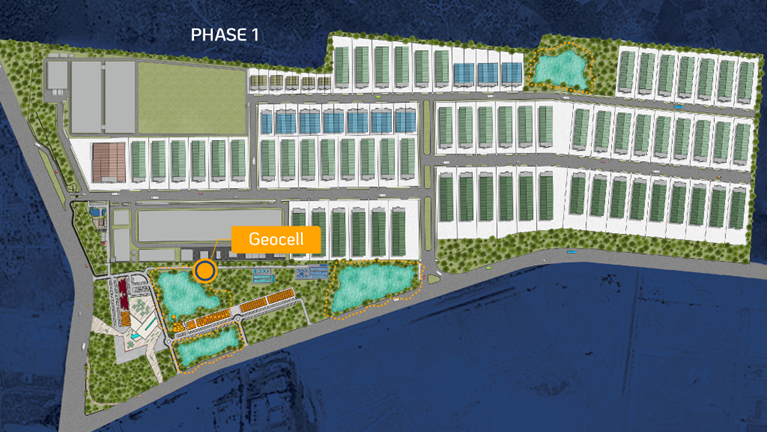
As part of Tunas Prima’s continuous development strategy, Geocell technology is being integrated across multiple infrastructure zones, including:
-
Rainwater retention areas, where it strengthens the ground while enhancing natural water absorption.
-
Road networks and platform bases, providing a resilient foundation for future expansions.
This initiative reflects our commitment to building resilient, sustainable, and future-ready infrastructure—one that supports industries today and protects the environment for tomorrow.
Building the Future, from the Ground Up
At Tunas Prima Industrial Estate, innovation means more than adopting new technologies—it means making responsible choices that create lasting value. The use of Geocell embodies our vision for sustainable industrial growth, ensuring every square meter of land is optimized for performance, durability, and ecological harmony.
As Batam continues to strengthen its position as one of Indonesia’s most strategic industrial centers, Tunas Prima is proud to lead the way—laying a smarter, stronger, and greener foundation for the future.
15 Jul
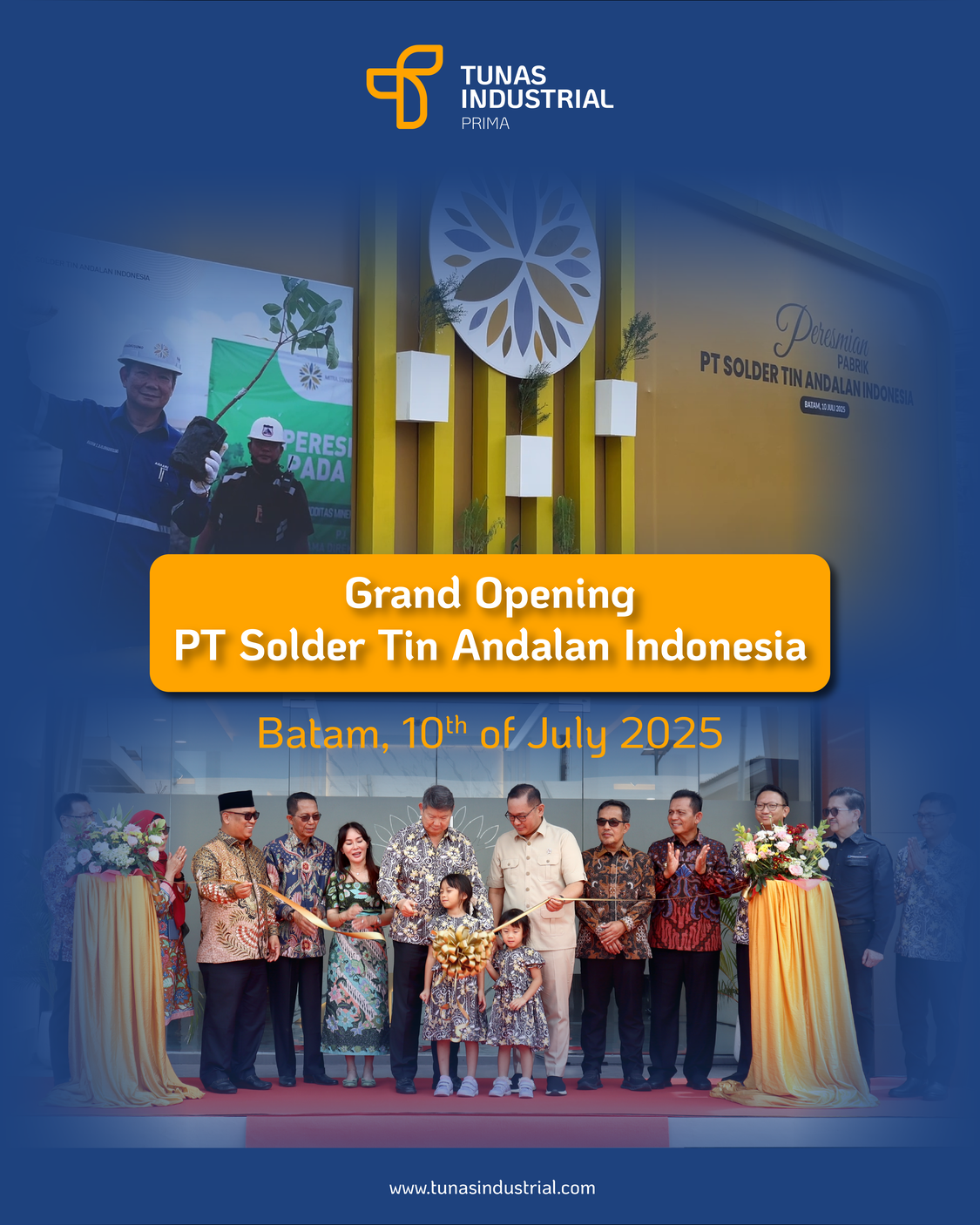
Grand Opening PT STANIA: Inaugurating the First Solder Factory at Tunas Prima
Batam, 10 July 2025 – PT Solder Tin Andalan Indonesia (STANIA), a subsidiary of Arsari Tambang, officially launched its first solder manufacturing plant located at Tunas Prima Industrial Estate (TPIE) in Batam today. This milestone supports Indonesia’s national mineral downstreaming agenda initiated by President Prabowo, while demonstrating Arsari Tambang’s commitment to becoming a pioneer in environmentally friendly tin-based products in Southeast Asia.
Built on a land area of 6,500 m² within the 100-hectare TPIE, a Greenmark-certified international-standard industrial estate developed with sustainability principles in every aspect, the plant’s construction was completed in less than one year since its groundbreaking in May 2024. The factory is ready to produce up to 2,000 tons of solder bars per year, with future expansion plans to include solder wire, powder, and paste production reaching a total capacity of up to 16,000 tons annually.
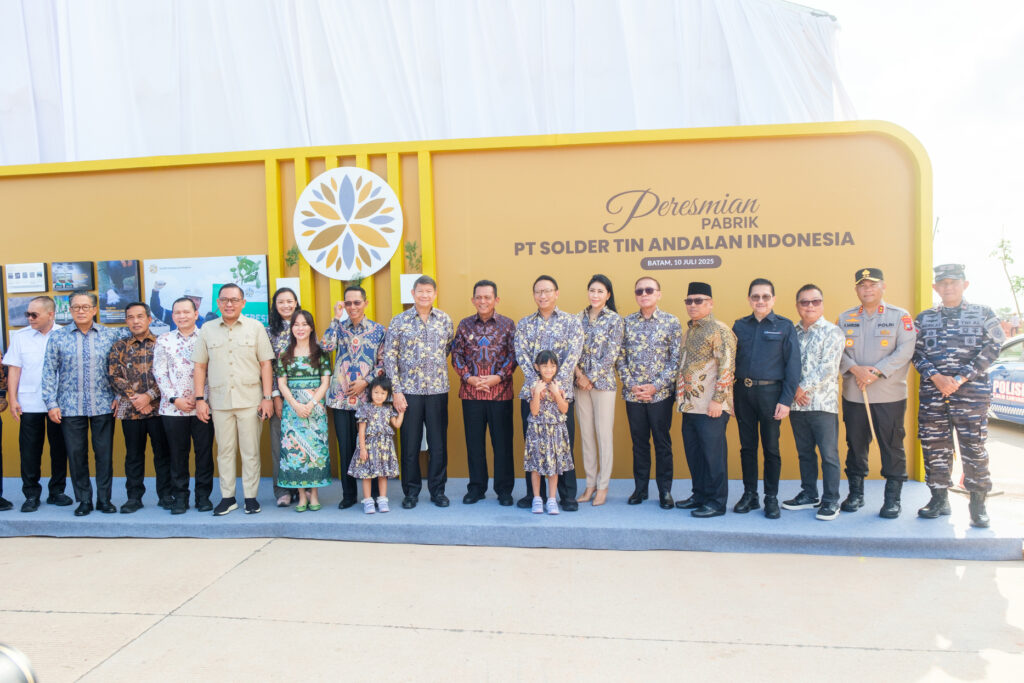
“This grand launching is our concrete commitment to supporting Indonesia’s downstreaming agenda while responding to global challenges in energy transition and sustainability. It marks the beginning of Arsari Tambang’s long journey towards a responsible mining industry,” said Hashim S. Djojohadikusumo, President Commissioner of Arsari Tambang.
TPIE, developed and managed by Tunas Industrial, welcomed the operational commencement of PT STANIA’s facility as further evidence of its positioning as a premier industrial hub in Batam and Indonesia. With its strategic location, integrated infrastructure, and a sustainability-focused environment, TPIE has become an investment magnet for local and multinational companies looking to expand in Southeast Asia.
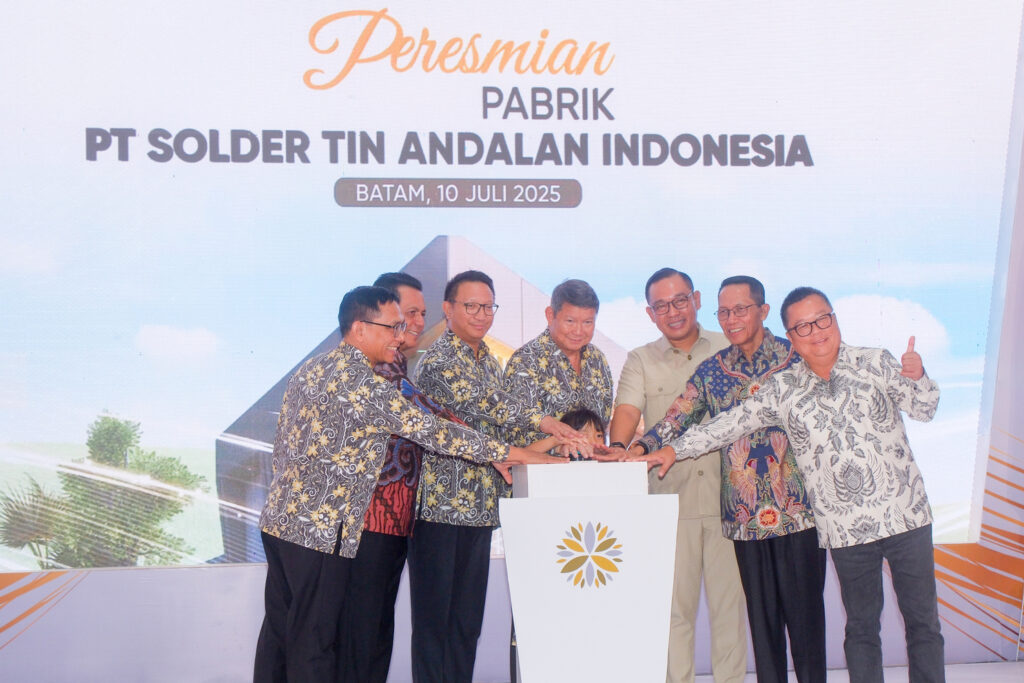
Aryo P. S. Djojohadikusumo, President Director of Arsari Tambang, added, “PT STANIA is part of our vision to build a tin-based industrial ecosystem, positioning Indonesia as a major global player in the tin product supply chain. Through green technology utilization and strategic collaboration, we aim to prove that the mining industry can simultaneously champion sustainability.”
PT STANIA’s plant operates with electricity sourced entirely from PLN’s Renewable Energy Certificate (REC)-certified power, making it an emission-free facility. Its building design optimizes energy efficiency with extensive transparent roofing to maximize natural lighting and reduce electricity usage.
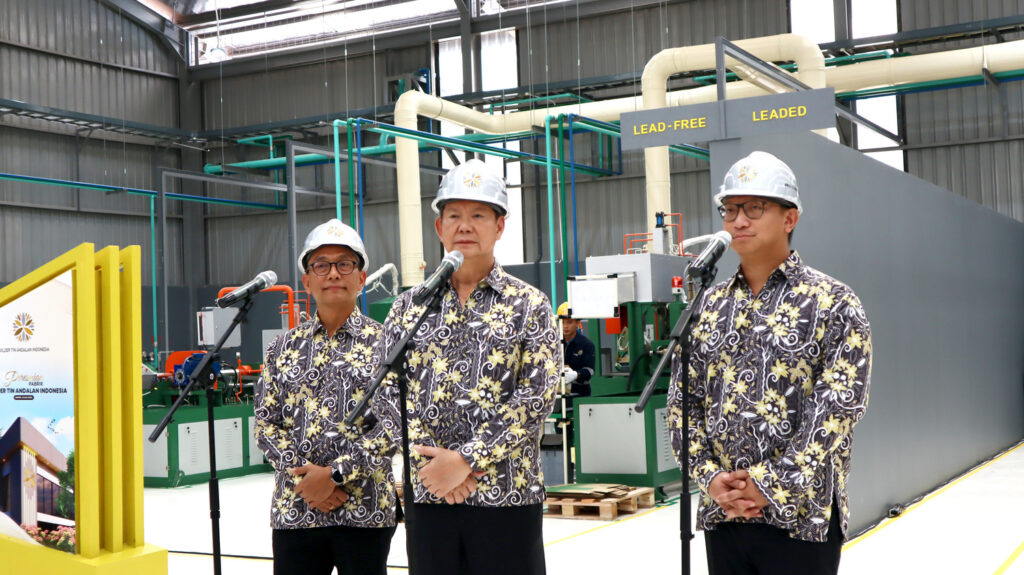
The inauguration was attended by Deputy Minister of Investment and Downstreaming, Todotua Pasaribu, who stated, “This plant is tangible evidence of private sector collaboration with the government’s grand vision. Downstreaming creates added value, generates employment, and enhances Indonesia’s industrial competitiveness.” Governor of Riau Islands, Ansar Ahmad, also welcomed PT STANIA’s investment as a catalyst for regional industrial transformation, technological advancement, and economic growth in Batam.
With an initial investment of IDR 400 billion, PT STANIA targets becoming one of the world’s leading solder producers, supporting Indonesia’s industrial growth while strengthening its role as Southeast Asia’s leading tin downstream hub. Its products will support electronic manufacturers in Batam and global export markets, reinforcing Indonesia’s strategic position in the international solder supply chain.
- 1
- 2